Pregnancy Skincare Guide: Safe Ingredients and What to Avoid
Pregnancy can transform the way skin looks, feels, and responds to products. Increased sensitivity, dryness, breakouts, pigmentation, and the possibility of melasma often call for a more thoughtful skincare routine. The safest approach is not to abandon skincare, but to simplify it with well chosen, evidence informed ingredients that support comfort and resilience. In this pregnancy skincare guide, discover which ingredients are generally considered suitable, which are best avoided, and how to create a calm routine for changing skin. From moisturizers and serums to sunscreen and cleansing rituals, every choice can become an opportunity for care, confidence, and quiet luxury.
Why Pregnancy Skincare Requires a More Considered Approach
Pregnancy influences the body’s hormones, circulation, temperature regulation, and immune response. These changes can affect the skin in several ways.
Some people notice a brighter complexion and increased natural radiance. Others experience dryness, sensitivity, congestion, redness, or a sudden increase in pigmentation. The skin may also become more reactive to fragrance, strong exfoliants, heat, and environmental stress.
In India, these concerns can be intensified by high temperatures, humidity, urban pollution, dust, and prolonged exposure to sunlight. Stress, irregular sleep, air conditioning, and long hours in front of screens can further contribute to dehydration and a weakened skin barrier.
A pregnancy skincare routine should therefore focus on three principles: protection, hydration, and restraint. This is a season to support the skin rather than overwhelm it with an ambitious collection of active ingredients.
Pregnancy Skincare Essentials for a Calm Routine
A refined routine does not need to be complicated. The most effective approach is often a consistent ritual built around gentle cleansing, hydration, moisturization, and daily sun protection.
Gentle Cleanser
Choose a cleanser that removes sunscreen, pollution, and excess sebum without leaving the skin tight or uncomfortable. Cream, gel, and low foaming formulas can all work well, depending on your skin type.
Avoid cleansing with very hot water, abrasive scrubs, or products that leave a squeaky sensation. That feeling often signals that the skin’s protective barrier has been stripped.
In a warm and humid climate, a gentle cleanser used in the evening may be sufficient for removing daily buildup. In the morning, some people with dry or sensitive skin may prefer a simple rinse or a very mild cleansing lotion.
Hydrating Serum
Hydration is one of the most valuable forms of support during pregnancy. Ingredients such as hyaluronic acid, glycerin, panthenol, beta glucan, and aloe vera are widely used to help attract and retain water in the skin.
A hydrating serum can be layered beneath a moisturizer, especially when the skin feels tight or appears dull. Look for lightweight textures during humid weather and richer formulations during cooler months or periods of increased dryness.
Hydrating ingredients are not reserved for dry skin. Even oily or blemish prone skin can become dehydrated, which may lead to an uncomfortable combination of surface oiliness and underlying tightness.
Moisturizer for the Skin Barrier
A well formulated moisturizer helps reduce moisture loss and supports the skin barrier. Ceramides, squalane, shea butter, fatty acids, and cholesterol are valuable ingredients to look for, particularly when the skin feels fragile or reactive.
The ideal moisturizer should feel comforting without creating unnecessary heaviness. In India’s warmer regions, a refined gel cream may be more suitable during the day, while a richer cream can be reserved for the evening or drier seasons.
Formulation quality matters here. A moisturizer is not defined only by its ingredient list, but also by the purity, stability, concentration, texture, and compatibility of those ingredients.
Daily Sunscreen
Sun protection is essential during pregnancy, especially for those concerned about melasma and uneven pigmentation. Hormonal changes can increase the skin’s tendency to develop dark patches, often across the cheeks, forehead, upper lip, and nose.
Choose a broad spectrum sunscreen with a comfortable finish that encourages daily use. Mineral filters such as zinc oxide are often preferred by people with sensitive skin, while modern organic filters can also provide elegant, effective protection when well tolerated.
Apply sunscreen generously to the face, ears, neck, and exposed areas. Reapply when spending extended time outdoors, sweating, or commuting through strong sunlight. Hats, sunglasses, and shade remain valuable additions to any pregnancy skincare routine.
Ingredients Generally Considered Suitable During Pregnancy
Ingredient safety can depend on concentration, frequency of use, the area of application, and individual medical circumstances. Always discuss your routine with your obstetrician or dermatologist, particularly if you have a high risk pregnancy, a skin condition, or a history of sensitivity.
Vitamin C
Vitamin C is a popular antioxidant used to support a brighter and more even looking complexion. It can help defend the skin against daily environmental stress and is often included in routines for dullness and pigmentation.
Because some forms of vitamin C can feel intense, sensitive skin may respond better to gentler derivatives or lower concentrations. Introduce a new serum gradually and combine it with sunscreen for a considered approach to uneven tone.
Niacinamide
Niacinamide is a versatile ingredient that can support the appearance of pores, excess oil, uneven tone, and a compromised skin barrier. It is often well suited to combination and sensitive skin, although very high concentrations may cause flushing or irritation in some individuals.
A moderate concentration in a well balanced formula is usually a more elegant choice than a highly concentrated product designed to create a dramatic sensation.
Hyaluronic Acid and Glycerin
These hydrating ingredients are commonly found in serums, moisturizers, and masks. They help the skin hold onto water, creating a smoother and more supple appearance.
For the best experience, apply a hydrating product to slightly damp skin and follow with a moisturizer. This helps seal in comfort rather than allowing moisture to evaporate from the surface.
Peptides
Peptides are used in skincare to support the appearance of firmness and skin quality. They are generally considered gentle and can be a useful choice for those who want an active formula without relying on strong exfoliation.
As with all skincare ingredients, the complete formulation is important. Peptides should be evaluated alongside the preservatives, fragrance, delivery system, and other active ingredients present in the product.
Azelaic Acid
Azelaic acid is often recommended by dermatology professionals for concerns such as blemishes, redness, and uneven pigmentation. It is commonly considered a pregnancy compatible option, but it can still cause dryness or irritation when introduced too quickly.
Use it according to professional guidance and avoid layering it with several other active ingredients until you understand how your skin responds.
Ingredients Best Avoided or Used Only with Medical Guidance
Pregnancy is not the time to experiment casually with powerful treatments. Some ingredients are best avoided altogether, while others should be used only after speaking with a qualified medical professional.
Retinoids
Retinoids include retinol, retinal, tretinoin, adapalene, and related vitamin A derivatives. They are widely used for acne, fine lines, and uneven texture, but topical retinoids are generally advised against during pregnancy.
If you are pregnant or planning to conceive, review every treatment product carefully and speak with your doctor about suitable alternatives. Ingredients such as niacinamide, vitamin C, peptides, and azelaic acid may offer a more appropriate approach, depending on your skin and medical advice.
Hydroquinone
Hydroquinone is a powerful pigment treating ingredient. Due to its high absorption potential and limited safety information during pregnancy, it is generally recommended that it be avoided unless specifically prescribed and supervised by a doctor.
Pregnancy related pigmentation often requires patience. Daily sunscreen, gentle brightening ingredients, and consistent moisturization are a more considered foundation.
High Strength Salicylic Acid
Small amounts of salicylic acid in certain cleansers or targeted products may be considered acceptable by some professionals, but high strength formulas, large area application, and professional peels require medical guidance.
If congestion appears during pregnancy, begin with gentle cleansing, non comedogenic moisturization, and advice from a dermatologist rather than layering multiple exfoliating products.
Benzoyl Peroxide and Prescription Acne Treatments
Benzoyl peroxide is sometimes used during pregnancy under professional guidance, but its suitability depends on the formulation and the individual’s circumstances. Prescription acne medications should never be continued or started without speaking to your doctor.
This is especially important for oral treatments and stronger prescription ingredients, which may have specific pregnancy restrictions.
Essential Oils, Fragrance, and Harsh Exfoliants
Natural does not automatically mean safe or gentle. Essential oils can be irritating, particularly when the skin is hormonally sensitive. Strong fragrance can also trigger discomfort, redness, or nausea.
Physical scrubs, aggressive brushes, and high strength exfoliating acids may weaken the skin barrier. If your skin begins to sting when applying a basic moisturizer, it is a sign to simplify your routine and seek professional advice.
How to Build a Pregnancy Skincare Routine
A morning routine can remain beautifully simple. Begin with a gentle cleanse or rinse, followed by a hydrating serum if needed. Apply a nourishing moisturizer and finish with broad spectrum sunscreen.
In the evening, cleanse thoroughly to remove sunscreen, pollution, and makeup. Follow with a soothing serum or a pregnancy suitable active recommended by your dermatologist. Seal the routine with a moisturizer chosen for your skin’s current needs.
Introduce only one new product at a time. Patch testing is especially useful when your skin is more reactive than usual. Apply a small amount behind the ear or along the jawline and observe the area for at least a day.
Do not mistake tingling for performance. A product that burns, causes persistent redness, or leaves the skin uncomfortable is not necessarily working better. Luxury skincare should feel refined, balanced, and respectful of the skin.
Pregnancy Skincare in the Indian Climate
Indian skin often has a complex relationship with heat, humidity, pollution, and pigmentation. During pregnancy, hormonal changes can make this balance even more delicate.
Choose textures that provide hydration without feeling occlusive. A lightweight serum beneath a breathable moisturizer can be more comfortable than several heavy layers. Cleanse away pollution at night, but avoid over washing, which can encourage dryness and sensitivity.
Sun protection deserves particular attention. Even brief daily exposure during commuting, walking, or sitting near windows can contribute to visible pigmentation. Consistency is more valuable than occasional intensive treatments.
Lifestyle also matters. Adequate hydration, nourishing food, rest, and stress management support the skin as part of a broader wellbeing ritual. Screen exposure is not a substitute for sunlight protection, but long hours indoors can coincide with dehydration, poor sleep, and reduced attention to skincare. A calm evening routine can create a useful pause in a demanding day.
Why Formulation Quality Matters More Than Ingredient Hype
An ingredient list tells only part of the story. The quality of a skincare product also depends on the purity of its raw materials, the stability of its active ingredients, the balance of its supporting ingredients, and the way the final formula feels on the skin.
A high concentration is not always a sign of superiority. More active ingredients can increase the risk of irritation, especially when the skin is changing during pregnancy. Thoughtful formulation is about proportion, compatibility, delivery, and experience.
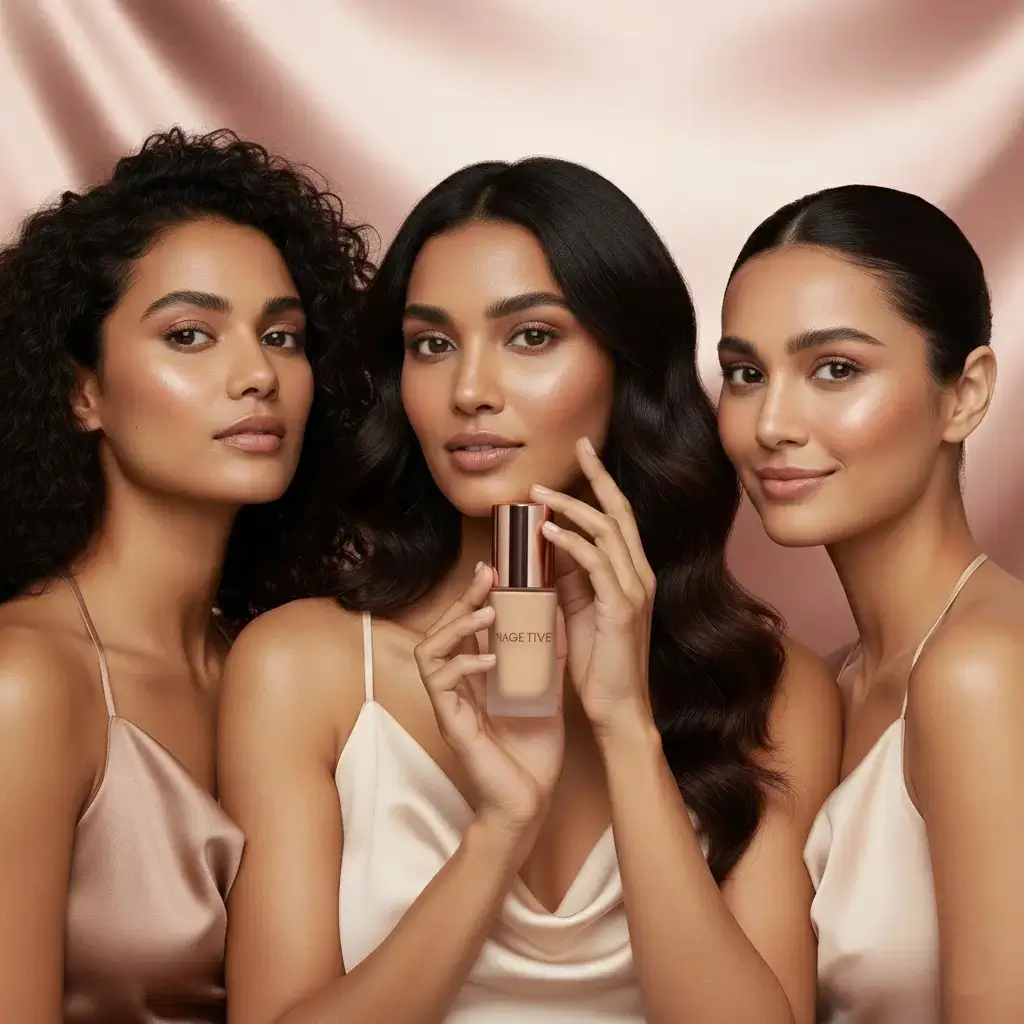
This is where Nagetive approaches modern luxury skincare with intention. The brand is ingredient forward and designed for real skin and real routines, combining premium quality ingredients with considered textures and a results driven philosophy. Its luxury range is created for those who want skincare to feel both intelligent and sensorial, without unnecessary complexity.
A More Conscious Way to Care for Your Skin
Pregnancy skincare is not about fear. It is about awareness, moderation, and choosing products that respect the body’s changing needs.
The most beautiful routine may be the one you can follow consistently, one that leaves the skin comfortable, supported, and protected. Listen to your skin, read labels carefully, and consult a qualified professional whenever you are uncertain.
Nagetive brings this philosophy into a more elevated daily ritual. With premium ingredients, modern formulation principles, and a luxury product range created for real skin, each step becomes more than maintenance. It becomes a quiet investment in how your skin feels today and how confidently you move through every season of change.
Luxury is not excess. It is the feeling of choosing beautifully, thoughtfully, and well, with Nagetive on your skin.




 on social media.