**Moisturizer Types Explained: Creams, Lotions, Gels and Balms for Every Skin Type**
Choosing the right moisturizer begins with understanding texture, formulation and the needs of your skin. Creams, lotions, gels and balms each offer a distinct approach to hydration, comfort and barrier support. The best moisturizer for your skin may depend on your skin type, the climate you live in, the actives within your routine and how your complexion feels throughout the day. For modern skin exposed to pollution, stress, air conditioning and changing weather, a considered moisturizer can make skincare feel more intuitive. This guide explores the difference between cream, lotion, gel and balm moisturizers, along with the ingredients and rituals that help skin feel balanced, supple and beautifully cared for.
**Why Moisturizer Texture Matters**
Moisturizer is more than the final step in a skincare routine. It is a carefully composed layer that helps replenish water, support the skin barrier and reduce the discomfort associated with dryness or dehydration.
Texture often determines how a product behaves on the skin. A lightweight gel may feel refreshing in a humid climate, while a richer cream can provide comfort when the skin feels tight or depleted. A lotion may offer balanced daily hydration, and a balm can create a protective veil over areas that need more nourishment.
These differences are shaped by the ratio of water, oils, waxes, humectants and emollients within a formula. The most elegant experience is not necessarily the richest or lightest. It is the texture that complements your skin’s current condition and fits naturally into your routine.
**The Four Main Types of Moisturizers**
**Cream Moisturizers: Comforting and Nourishing**
Creams are typically richer in texture and contain a higher concentration of oils or emollient ingredients than lotions. They are designed to soften the skin, support the moisture barrier and provide lasting comfort.
A well formulated cream can be particularly appealing for dry skin, mature skin or skin that feels tight after cleansing. It may also be beneficial during cooler months or for those who spend long hours in air conditioned environments.
Look for ingredients such as ceramides, shea butter, squalane, fatty acids, glycerin and hyaluronic acid. Ceramides help reinforce the natural barrier, while squalane and shea butter contribute softness without necessarily leaving the skin feeling heavy when properly balanced.
Cream moisturizers are often ideal as an evening step. Applied after a serum, they help seal in hydration and create a calm, cocooning finish. For combination skin, a cream can be applied selectively to drier areas rather than across the entire face.
A luxurious cream should absorb with intention. It should leave the complexion feeling comforted and supple, not coated beneath a visible layer of product.
**Lotion Moisturizers: Balanced Everyday Hydration**
Lotions occupy the space between creams and lighter gel formulas. They usually contain more water and a lighter oil phase, making them comfortable for daily use across many skin types.
A lotion moisturizer can be a practical choice for normal, combination or mildly dry skin. It offers hydration without the richness of a traditional cream, making it suitable for morning routines, warmer seasons and layered skincare.
For those living in Indian cities, lotion textures can be especially versatile. Humidity, heat, dust and pollution can make heavy formulas feel uncomfortable, while indoor air conditioning can leave the skin quietly dehydrated. A well balanced lotion helps address this contrast by offering moisture in a breathable texture.
Ingredient quality remains important. Glycerin, panthenol, beta glucan, niacinamide and lightweight plant derived oils can help improve softness and support a resilient skin barrier. Niacinamide may also be useful for the appearance of uneven tone and excess oil, depending on the overall formula and concentration.
Lotions work beautifully beneath sunscreen in the morning and can also be layered after a hydrating serum when the skin needs more support.
**Gel Moisturizers: Fresh, Lightweight and Water Rich**
Gel moisturizers are known for their fresh, weightless feel. They are often formulated with a high water content and humectants that attract moisture to the skin’s surface.
A gel moisturizer can suit oily skin, combination skin and anyone who dislikes a rich finish. It may also be comfortable during warmer weather or after exercise, when the skin benefits from hydration without a heavy sensation.
Common ingredients include hyaluronic acid, aloe vera, glycerin, beta glucan and panthenol. These ingredients help provide surface hydration and a soothing sensation. Some gel formulas also include niacinamide or antioxidant ingredients to support the appearance of balanced, healthy looking skin.
However, a gel is not automatically the best choice for every oily complexion. Oiliness and dehydration can exist together. If the skin feels tight after cleansing but becomes shiny later, it may need more than a very lightweight gel. In such cases, a gel can be layered beneath a lotion or cream to provide both water and comfort.
A refined gel moisturizer should feel cool and elegant on application, absorb easily and leave the skin smooth rather than sticky.
**Balm Moisturizers: Protective and Restorative**
Balms are the most occlusive of the four textures. They are often rich in oils, butters and waxes, creating a protective layer that helps reduce moisture loss from the skin.
A balm moisturizer is especially useful for very dry skin, compromised skin or areas that become rough and uncomfortable. It can be applied to the cheeks, around the nose, lips or other areas that need concentrated care.
Ingredients may include shea butter, jojoba oil, sunflower seed oil, beeswax, petrolatum, lanolin alternatives and botanical oils. The right combination can provide a softening effect while helping protect the skin from environmental exposure.
Balms are often best used as the final step of an evening routine. A small amount pressed over a cream or serum can help retain hydration overnight. They can also be used as targeted care rather than as an all over face moisturizer.
Because balms form a more substantial layer, application should be measured. Warm a small amount between the fingertips and press it gently into the skin. This transforms the product from a dense texture into a quiet ritual of restoration.
**Cream Versus Lotion: Which Is Better?**
The choice between cream and lotion depends on how your skin feels, rather than on a permanent label such as dry or oily.
Creams generally offer more nourishment and lasting comfort. Lotions feel lighter and may be easier to wear during the day or in humid conditions. Dry skin may prefer a cream, while combination skin may appreciate a lotion. Yet environmental conditions, seasonal changes and skincare treatments can alter what your skin needs.
If you use exfoliating acids, retinoids or other active ingredients, your skin may temporarily require a richer cream even if it is usually comfortable with a lotion. Conversely, if your skin feels congested or overly coated, moving to a lighter texture may create a more comfortable routine.
The most useful question is not which texture is universally superior. It is which formulation supports your skin without causing discomfort, heaviness or insufficient hydration.
**Gel Versus Cream: Understanding Hydration and Nourishment**
Gel and cream moisturizers serve different purposes. A gel primarily delivers lightweight hydration and a fresh sensory experience. A cream generally provides greater softness, nourishment and barrier support.
Dehydrated skin may enjoy a gel because it can replenish surface water. If the skin also experiences flaking, tightness or sensitivity, a cream may be needed to help retain that hydration. In some routines, using both is appropriate. A hydrating gel can be followed with a small amount of cream, particularly at night.
This layered approach reflects an important skincare principle. Hydration and nourishment are related, but they are not identical. Humectants attract water, emollients soften the skin and occlusives help slow moisture loss. A thoughtfully developed formula may combine all three functions in a refined balance.
**How to Choose the Best Moisturizer for Your Skin Type**
For dry skin, look for creams or balms containing ceramides, squalane, glycerin, shea butter and nourishing fatty acids. The texture should feel comforting without creating persistent greasiness.
For oily skin, a gel or light lotion may be the most enjoyable choice. Look for glycerin, hyaluronic acid, niacinamide and soothing ingredients, while considering whether the formula leaves the skin breathable and balanced.
For combination skin, flexibility is often more valuable than a single texture. Use a lotion or gel across the face and apply a richer cream to dry areas when needed.
For sensitive skin, focus on a concise, well considered formula. Ingredients such as panthenol, colloidal oatmeal, beta glucan and ceramides may support comfort. Fragrance preferences are personal, but sensitive skin may benefit from avoiding formulas that contain unnecessary potential irritants.
For mature skin, hydration, softness and barrier support become increasingly important. Creams with humectants, emollients, antioxidants and barrier supporting ingredients can help the skin look smoother and more supple.
**Moisturizers for Indian Climate and Urban Skin**
Indian skin experiences a wide range of environmental conditions. Heat, humidity, monsoon moisture, dry interiors, intense sunlight and pollution can all influence how the skin behaves.
In humid cities, a gel or light lotion may feel more comfortable during the day. In drier regions or cooler seasons, a cream can help reduce tightness. A balm may be valuable for targeted areas exposed to dryness, frequent cleansing or environmental stress.
Urban life adds another layer of complexity. Pollution can leave the skin feeling dull, while long working hours and stress may affect its sense of balance. Screen exposure does not directly replace the need for sunscreen, but extended indoor time often coincides with dehydration, irregular sleep and neglected routines.
A thoughtful skincare philosophy does not require an elaborate number of steps. It requires consistency, good cleansing, daily sun protection, a suitable moisturizer and a willingness to observe how the skin changes.
**The Ingredients Matter More Than the Hype**
Texture can create an immediate emotional response, but formulation quality determines long term suitability. A beautiful gel can still be poorly balanced. A rich cream can feel elegant when its oils and emollients are chosen with precision. A balm can be deeply comforting when it protects without unnecessary heaviness.
Consider the complete formula rather than focusing on one fashionable ingredient. Hyaluronic acid is valuable for attracting water, but it works best within a broader moisturizing system. Niacinamide can support the appearance of a more balanced complexion, while ceramides help reinforce the skin barrier. Antioxidants can complement a routine exposed to environmental stress, but they do not replace sunscreen.
The best skincare formulas are intentional. They combine sensory pleasure with practical performance, respect the skin barrier and suit the realities of daily life.
**Where Nagetive Fits Into a Considered Skincare Ritual**
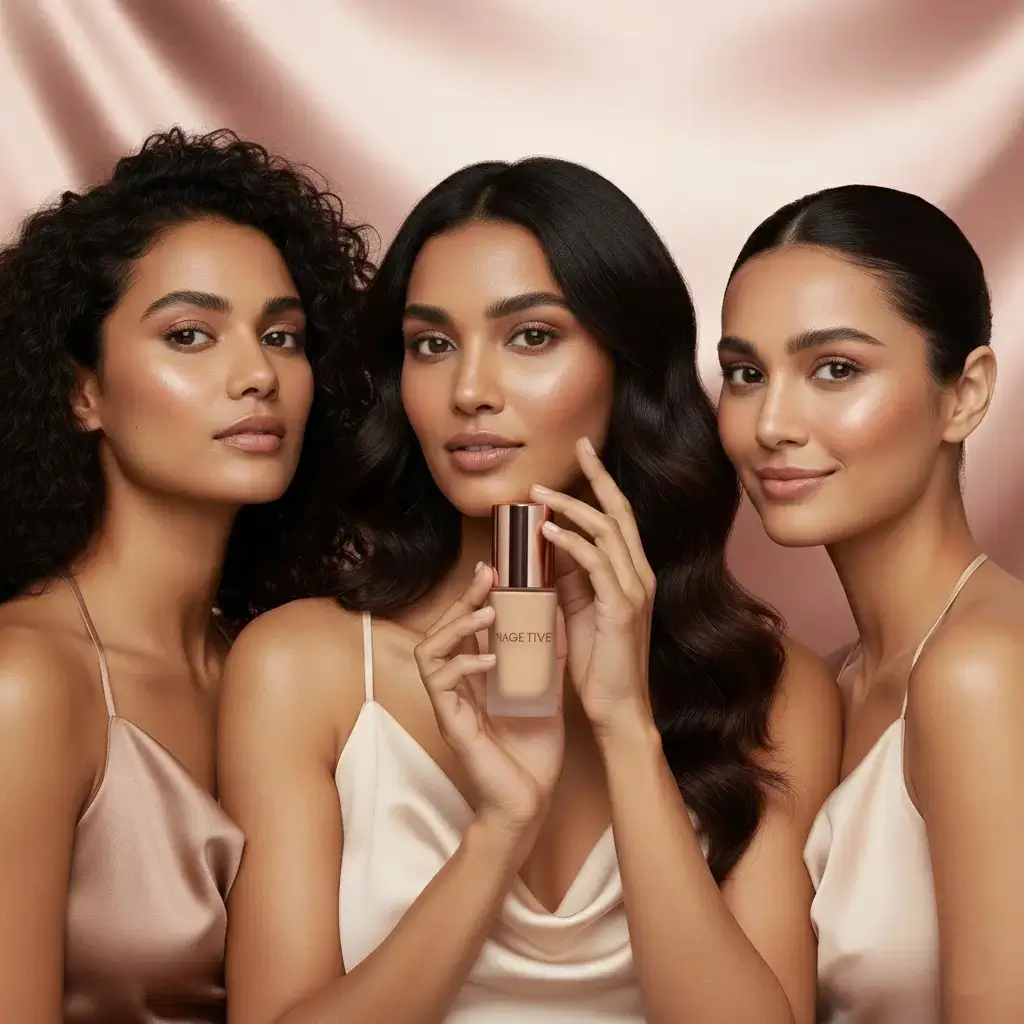
Nagetive represents modern luxury skincare shaped around premium quality, thoughtful formulation and the changing needs of real skin. Its ingredient forward approach reflects a belief that skincare should be both effective and deeply pleasurable to use.
Rather than treating moisturizer as an afterthought, Nagetive approaches it as an essential part of the ritual. The right texture can bring comfort after cleansing, help complement a serum, support a routine built around active ingredients and create a moment of stillness in an otherwise demanding day.
Whether your preference leans toward the freshness of a gel, the balance of a lotion, the comfort of a cream or the protective richness of a balm, the most important consideration is harmony. A product should feel appropriate to your skin, your environment and the life you lead.
**How to Apply Moisturizer for the Best Experience**
Apply moisturizer to slightly damp skin after cleansing and any water based serums. This can help create a smoother application and support a hydrated feeling.
Use a measured amount and warm it gently between your fingertips. Press the formula into the skin rather than rubbing aggressively, especially if your complexion feels sensitive or compromised.
In the morning, finish with broad spectrum sunscreen. At night, allow the moisturizer to become the final layer, unless a targeted balm or prescribed treatment is part of your routine.
Most importantly, observe your skin. If it feels tight, increase nourishment. If it feels heavy or congested, consider a lighter texture. Skincare becomes more effective when it is responsive rather than rigid.
**A More Beautiful Way to Moisturize**
The difference between creams, lotions, gels and balms is ultimately a lesson in thoughtful care. Each texture offers a distinct balance of hydration, nourishment, protection and sensory pleasure. The right choice can make a routine feel less like maintenance and more like a daily return to yourself.
With premium ingredients, considered textures and a luxury product range designed for modern skin, Nagetive brings intention to every layer of skincare. This is not simply about adding another moisturizer to your shelf. It is about choosing formulas that respect your skin, elevate your ritual and make consistency feel desirable.
Luxury is found in the quality of what touches your skin, and in the quiet confidence that follows. With Nagetive, every application becomes a considered step toward skin that feels renewed, refined and entirely your own.




 on social media.