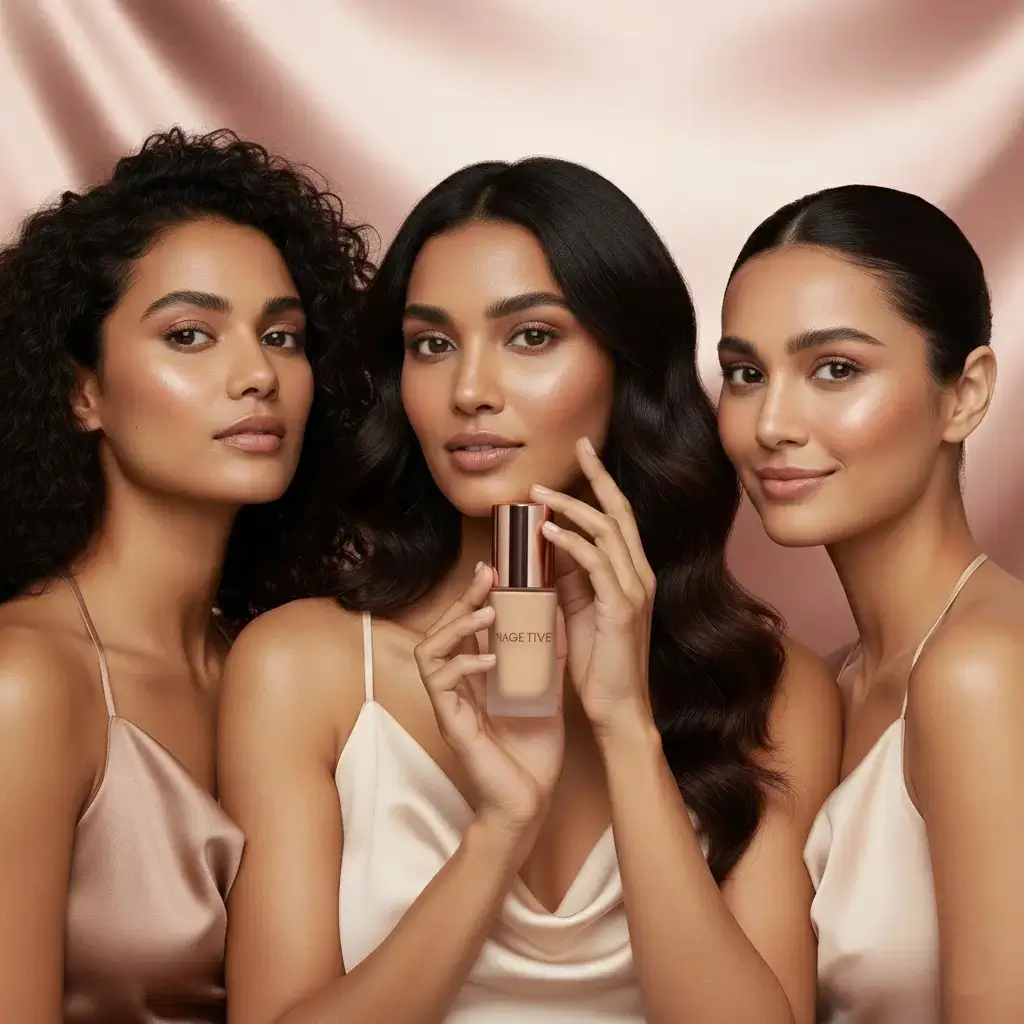
𝗛𝗼𝘄 𝘁𝗼 𝗟𝗮𝘆𝗲𝗿 𝗦𝗣𝗙 𝗨𝗻𝗱𝗲𝗿 𝗠𝗮𝗸𝗲𝘂𝗽 𝗪𝗶𝘁𝗵𝗼𝘂𝘁 𝗣𝗶𝗹𝗹𝗶𝗻𝗴
A smooth makeup base begins before foundation. Learning how to layer SPF under makeup without pilling helps preserve an even finish while supporting reliable daily protection. The secret is not adding more products, but creating harmony between your serum, moisturiser, sunscreen and makeup. Each formula needs the right amount of time to settle, and every layer should complement the next in texture and finish. For modern skin exposed to sunlight, pollution, heat, stress and long urban days, sunscreen is an essential part of a considered skincare routine. With the right technique and thoughtfully formulated products, applying sunscreen before makeup can feel effortless, comfortable and quietly luxurious.
𝗪𝗵𝗮𝘁 𝗖𝗮𝘂𝘀𝗲𝘀 𝗦𝘂𝗻𝘀𝗰𝗿𝗲𝗲𝗻 𝗣𝗶𝗹𝗹𝗶𝗻𝗴
Sunscreen pilling happens when products gather into small rolls or flakes on the surface of the skin. It can look like dry skin, uneven texture or tiny pieces of product appearing beneath foundation.
This does not always mean the sunscreen is ineffective. Pilling is usually a sign that the layers are not settling well together. Several factors can contribute to it.
Applying too many products in quick succession can leave a film on the skin before the previous layer has absorbed. Rubbing aggressively can disturb that film and cause it to roll. Some formulas also contain film forming polymers, silicones, powders or thickening agents that may interact poorly with other products.
The condition of the skin matters too. Dehydrated or over exfoliated skin can have a rough surface, making it more difficult for sunscreen and makeup to glide evenly. In warm and humid climates, excess perspiration and sebum may also make layers move more easily.
A beautiful makeup base is therefore not only about choosing the best sunscreen under makeup. It is about understanding how each formula behaves with the others.
𝗧𝗵𝗲 𝗖𝗼𝗿𝗿𝗲𝗰𝘁 𝗢𝗿𝗱𝗲𝗿 𝗙𝗼𝗿 𝗟𝗮𝘆𝗲𝗿𝗶𝗻𝗴 𝗦𝗸𝗶𝗻𝗰𝗮𝗿𝗲 𝗔𝗻𝗱 𝗦𝗣𝗙
The general order for a morning routine is simple.
Cleanser
Hydrating serum
Treatment serum, when suitable for daytime use
Moisturiser
Sunscreen
Primer and makeup
The lightest textures usually come first, followed by richer formulas. Sunscreen should be the final skincare step before makeup because it needs to form an even protective layer across the skin.
This order may be adjusted depending on your skin type and the products you use. A nourishing sunscreen may be enough for normal or combination skin, while dry skin may benefit from a lightweight moisturiser underneath. Oily or humid climate skin may prefer a hydrating serum followed by sunscreen, without an additional cream.
The goal is not to follow a complicated ritual. The goal is to use enough care to support comfort, protection and a refined finish.
𝗛𝗼𝘄 𝗧𝗼 𝗔𝗽𝗽𝗹𝘆 𝗦𝗣𝗙 𝗕𝗲𝗳𝗼𝗿𝗲 𝗠𝗮𝗸𝗲𝘂𝗽
Begin with clean, comfortably dry skin. If your cleanser leaves the skin feeling tight, use a gentle hydrating serum to restore softness before applying moisturiser.
Apply skincare in thin, even layers. A few drops of serum are usually sufficient, and moisturiser should be applied according to the needs of your skin rather than by habit. Too much product can create unnecessary slip and increase the risk of sunscreen pilling.
Use an adequate amount of sunscreen for the face and neck. A practical guide is the two finger method, using a line of sunscreen along the length of two fingers. The exact amount may vary according to the product texture and the size of the area being covered, but under application reduces the level of protection indicated on the label.
Instead of massaging sunscreen vigorously into the skin, distribute it gently across the face. Press and smooth it in sections, paying attention to the forehead, cheeks, nose, jawline and neck. Avoid repeatedly going over the same area once the sunscreen has begun to set.
Allow the sunscreen to settle before applying makeup. Around ten to fifteen minutes can be helpful, especially when the formula has a richer or more moisturising finish. This allows the protective film to become more uniform and reduces the chance of foundation disturbing it.
𝗖𝗵𝗼𝗼𝘀𝗶𝗻𝗴 𝗧𝗵𝗲 𝗕𝗲𝘀𝘁 𝗦𝘂𝗻𝘀𝗰𝗿𝗲𝗲𝗻 𝗨𝗻𝗱𝗲𝗿 𝗠𝗮𝗸𝗲𝘂𝗽
The best sunscreen under makeup is one that offers broad spectrum protection, feels comfortable on the skin and works well with the rest of your routine.
Look for a sunscreen with a finish that suits your skin. Lightweight fluid textures can be elegant for combination and oily skin, particularly in warm weather. Creamier textures may be more comfortable for dry or sensitive skin. A gel cream can offer hydration without a heavy feeling, while a satin finish may sit beautifully beneath complexion products.
Formulation quality matters more than fashionable claims. A sunscreen should spread evenly, remain comfortable through the day and create a stable layer without excessive greasiness or dryness. If the product leaves the skin overly sticky, foundation may move. If it dries too quickly or feels tight, it may catch on dry areas.
Some people prefer mineral filters such as zinc oxide, while others prefer organic filters or a combination of filter technologies. The most suitable choice is the one you can apply generously and consistently. For daily urban use, choose a broad spectrum sunscreen with a sun protection factor of at least 30 and consider a high UVA rating, especially in a bright climate such as India.
𝗧𝗵𝗲 𝗥𝗼𝗹𝗲 𝗢𝗳 𝗜𝗻𝗴𝗿𝗲𝗱𝗶𝗲𝗻𝘁𝘀 𝗜𝗻 𝗔 𝗦𝗺𝗼𝗼𝘁𝗵 𝗦𝗣𝗙 𝗥𝗼𝘂𝘁𝗶𝗻𝗲
A well considered sunscreen does more than provide UV protection. Its supporting ingredients influence how it feels, layers and performs throughout the day.
Humectants such as glycerin and hyaluronic acid help attract water to the skin and can reduce the appearance of dehydration. Emollients help soften the surface, while carefully selected silicones can create a smooth, elegant slip that supports makeup application.
Antioxidants such as vitamin E, vitamin C derivatives, green tea and other botanical extracts may complement a daily routine by helping defend the skin against environmental stress. These ingredients do not replace sunscreen, but they can support a more complete approach to skin comfort and resilience.
Barrier supporting ingredients such as ceramides, squalane and fatty acids may be valuable for skin that feels dry or easily sensitised. Niacinamide can help support the appearance of uneven tone and excess oil, although the overall formula and concentration remain important.
Premium skincare is not defined by the longest ingredient list. It is defined by balance, compatibility and purpose. A beautifully formulated product knows when to hydrate, when to protect and when to remain almost imperceptible on the skin.
𝗛𝗼𝘄 𝗧𝗼 𝗟𝗮𝘆𝗲𝗿 𝗦𝗸𝗶𝗻𝗰𝗮𝗿𝗲 𝗜𝗻 𝗛𝘂𝗺𝗶𝗱 𝗜𝗻𝗱𝗶𝗮𝗻 𝗪𝗲𝗮𝘁𝗵𝗲𝗿
Indian skin experiences a wide range of climates, from dry heat to intense humidity and monsoon moisture. In many cities, sunscreen must also perform alongside pollution, dust, perspiration and long commutes.
During humid weather, simplify your morning routine. Use a gentle cleanser, a lightweight hydrating serum and a sunscreen that sets comfortably. If your skin becomes shiny quickly, avoid layering a rich moisturiser beneath a dewy sunscreen unless your skin genuinely needs it.
In dry weather or air conditioned environments, dehydration may become more noticeable. A moisturiser with barrier supporting ingredients can help create a smoother surface before sunscreen. Apply less than you might at night, and allow it to settle before continuing.
Pollution can leave the skin feeling congested, while stress and lack of sleep may make it appear dull or reactive. A calm routine with gentle cleansing, adequate hydration and daily sun protection is often more beneficial than constantly adding new actives.
Screen exposure is another modern concern. While ordinary screen use is not a reason to replace sunscreen with unproven products, a consistent antioxidant rich routine and daily broad spectrum protection remain sensible choices for overall skin care.
𝗪𝗵𝗮𝘁 𝗧𝗼 𝗗𝗼 𝗪𝗵𝗲𝗻 𝗬𝗼𝘂𝗿 𝗦𝗨𝗻𝘀𝗰𝗿𝗲𝗲𝗻 𝗣𝗶𝗹𝗹𝘀
If your sunscreen begins to pill, pause before removing every layer. First observe when the problem occurs.
If pilling starts after serum, use less serum or allow more time for it to settle. If it begins after moisturiser, reduce the amount or choose a lighter texture. If the sunscreen itself pills, apply it in smaller sections and press it into the skin rather than rubbing repeatedly.
Your makeup technique can also make a difference. A damp makeup sponge used with gentle pressing motions may disturb the sunscreen less than vigorous brushing. Lightweight foundation or skin tint can be more compatible with sunscreen than a thick, highly powdered base.
Avoid mixing sunscreen directly with foundation. Diluting sunscreen can reduce the amount applied and may compromise the evenness of its protective film. Apply each product separately, allowing the sunscreen to settle first.
If the skin is visibly flaking, take a closer look at your evening routine. Frequent exfoliation, strong retinoids or multiple acids may be weakening the skin barrier and creating the texture that makes pilling more noticeable. Active ingredients should be introduced carefully and balanced with moisturising care.
𝗛𝗼𝘄 𝗧𝗼 𝗥𝗲𝗮𝗽𝗽𝗹𝘆 𝗦𝗣𝗙 𝗢𝘃𝗲𝗿 𝗠𝗮𝗸𝗲𝘂𝗽
Sunscreen is not only a morning consideration. Reapplication is especially important when you are outdoors for extended periods, sweating or exposed to direct sunlight.
A practical approach is to use a cushion, stick or mist designed for reapplication, while understanding that these formats may not always provide the same coverage as applying a generous layer of traditional sunscreen. When possible, reapply over clean skin after removing makeup.
For makeup days, blot excess oil first. Press, rather than wipe, to avoid disturbing the complexion. Then apply a suitable sunscreen reapplication product in light layers. Powder products can help reduce shine, but they should not be relied upon as the sole form of sun protection unless applied in a substantial and even amount.
A wide brimmed hat, sunglasses and shade remain valuable additions to a daily sun care ritual. Skin protection is most effective when it is practical enough to maintain.
𝗪𝗵𝗲𝗿𝗲 𝗡𝗮𝗴𝗲𝘁𝗶𝘃𝗲 𝗙𝗶𝘁𝘀 𝗜𝗻𝘁𝗼 𝗔 𝗖𝗼𝗻𝘀𝗶𝗱𝗲𝗿𝗲𝗱 𝗦𝗸𝗶𝗻𝗰𝗮𝗿𝗲 𝗥𝗶𝘁𝘂𝗮𝗹
At Nagetive, skincare is approached as a balance of performance, sensory refinement and everyday practicality. A luxury routine should feel beautiful to use, but it should also respect the realities of modern skin and modern schedules.
Nagetive focuses on thoughtfully formulated, ingredient forward skincare designed for real routines. From hydrating layers to targeted actives and moisturising care, each step is intended to support skin that feels comfortable, clear and visibly well cared for.
This philosophy is especially relevant when layering products beneath makeup. Compatibility matters. Texture matters. The experience of applying a formula matters. A product that performs beautifully on its own but does not cooperate with the rest of your routine may not be the right choice for your skin.
The most rewarding routine is one that feels calm rather than complicated. It gives skin what it needs, leaves space for makeup to look like skin and supports the quiet confidence that comes with consistent care.
𝗙𝗶𝗻𝗮𝗹 𝗧𝗵𝗼𝘂𝗴𝗵𝘁𝘀
Learning how to layer SPF under makeup without pilling is less about perfection and more about precision. Choose compatible textures, apply fewer layers when possible, give each product time to settle and use enough sunscreen to create meaningful protection. Pay attention to your climate, your skin barrier and the way your makeup interacts with skincare.
A considered SPF routine protects more than the appearance of the complexion. It supports the long term clarity, comfort and confidence of the skin you live in every day.
Nagetive brings this same sense of intention to modern luxury skincare, pairing premium ingredients with elegant textures and a results driven approach. Its range is created for those who see skincare not as another obligation, but as an upgrade to the way they move through the world.
Luxury is not excess. It is knowing exactly what your skin deserves, and choosing every layer with intention.




 on social media.