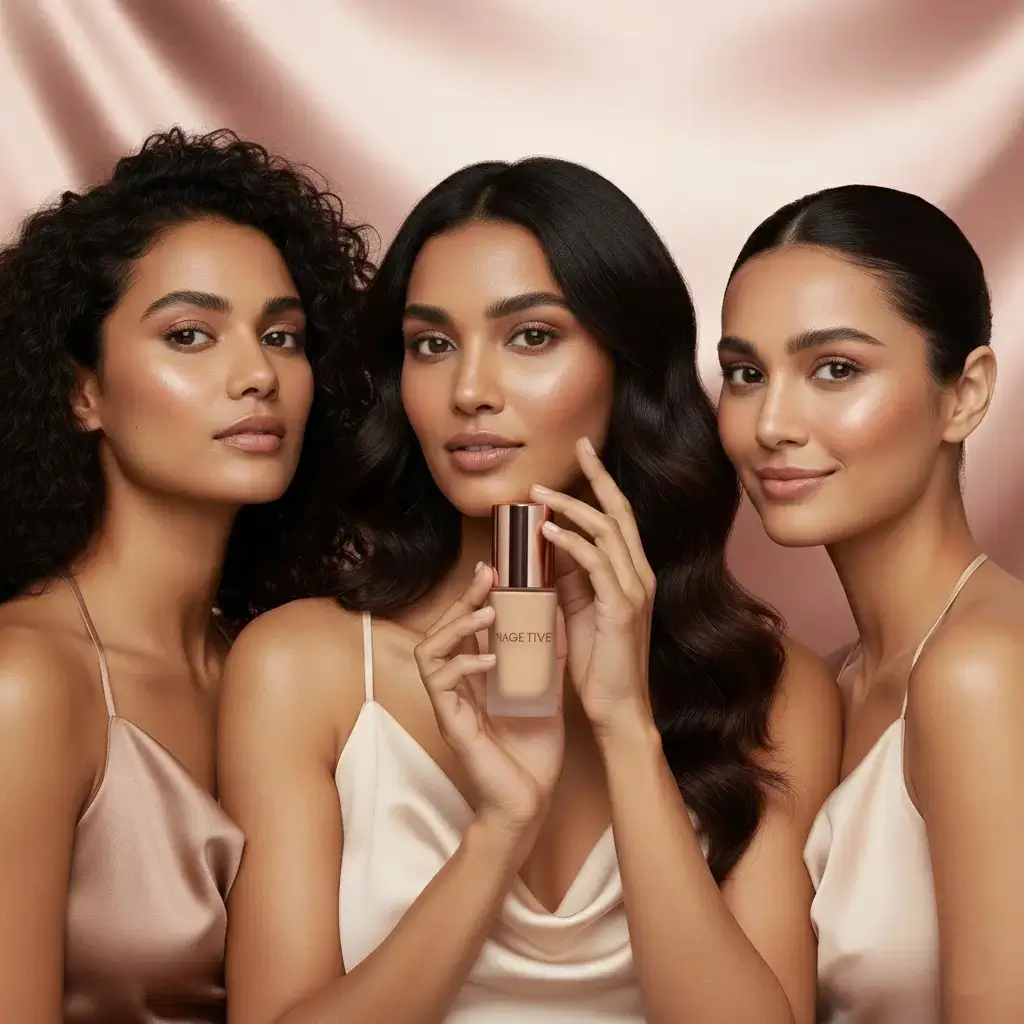
𝗛𝗼𝘄 𝘁𝗼 𝗛𝘆𝗱𝗿𝗮𝘁𝗲 𝗗𝗲𝗵𝘆𝗱𝗿𝗮𝘁𝗲𝗱 𝗦𝗸𝗶𝗻: 𝗜𝗻𝗴𝗿𝗲𝗱𝗶𝗲𝗻𝘁𝘀 𝗧𝗵𝗮𝘁 𝗪𝗼𝗿𝗸
Dehydrated skin can feel tight, dull, rough, or unusually sensitive, even when the complexion appears oily. Unlike dry skin, which lacks oil, dehydration is a lack of water within the skin. It can affect every skin type and is often influenced by weather, pollution, stress, air conditioning, cleansing habits, and an overuse of active ingredients. The right skincare routine can help replenish moisture, support the skin barrier, and restore a softer, fresher appearance. In this guide, discover the best ingredients for dehydrated skin, how to layer hydrating skincare, and why thoughtful formulation matters more than trends.
𝗪𝗵𝗮𝘁 𝗜𝘀 𝗗𝗲𝗵𝘆𝗱𝗿𝗮𝘁𝗲𝗱 𝗦𝗸𝗶𝗻?
Dehydrated skin is a temporary condition caused by reduced water content in the outer layers of the skin. It is different from dry skin, which is generally a skin type associated with low natural oil production.
A person with oily, combination, normal, or dry skin can experience dehydration. This is why an oily complexion may still feel tight after cleansing, or why makeup may appear uneven and settle into fine lines despite excess shine.
Common signs of dehydrated skin include:
Tightness after cleansing
A dull or tired appearance
Fine lines that look more visible
Rough or uneven texture
Increased sensitivity
Flaking in certain areas
Excess oil production as the skin attempts to compensate
Dehydrated skin may also feel unsettled. Products that were once comfortable can begin to sting, and the complexion may appear less luminous than usual. These signs often indicate that the skin needs water, comfort, and barrier support rather than a more aggressive treatment.
𝗗𝗲𝗵𝘆𝗱𝗿𝗮𝘁𝗲𝗱 𝗦𝗸𝗶𝗻 𝗩𝗲𝗿𝘀𝘂𝘀 𝗗𝗿𝘆 𝗦𝗸𝗶𝗻
Understanding the difference between dryness and dehydration helps you choose better skincare.
Dry skin is usually linked to a lack of lipids or natural oils. It may benefit from nourishing ingredients such as ceramides, plant oils, squalane, and shea butter.
Dehydrated skin needs water attracting and water retaining ingredients. It often responds well to humectants such as hyaluronic acid, glycerin, panthenol, and aloe vera, combined with barrier supporting ingredients that help prevent moisture loss.
Many people experience both concerns at once. In this case, the most effective approach is to replenish water first, then seal in comfort with a moisturiser suited to your skin type.
𝗪𝗵𝘆 𝗦𝗸𝗶𝗻 𝗕𝗲𝗰𝗼𝗺𝗲𝘀 𝗗𝗲𝗵𝘆𝗱𝗿𝗮𝘁𝗲𝗱
The skin barrier acts as a protective layer that helps keep water within the skin and shields it from environmental stress. When this barrier is weakened, transepidermal water loss can increase. The result is often a complexion that feels dry, reactive, or visibly fatigued.
Several modern lifestyle factors can contribute to dehydration.
In Indian cities, heat and humidity may increase perspiration while air conditioning quietly draws moisture from the skin. Pollution can place additional stress on the barrier, while dust and environmental particles may encourage frequent cleansing. Long working hours, irregular sleep, travel, stress, and inadequate water intake can also influence the way skin looks and feels.
Over exfoliation is another common cause. Frequent use of strong acids, retinoids, scrubs, or multiple active ingredients may disrupt the barrier, particularly when combined with a harsh cleanser or insufficient moisturisation.
Even screen exposure can play an indirect role. Extended time indoors with air conditioning, reduced blinking, mental fatigue, and disrupted sleep patterns can contribute to a complexion that looks dull and less resilient.
𝗧𝗵𝗲 𝗕𝗲𝘀𝘁 𝗜𝗻𝗴𝗿𝗲𝗱𝗶𝗲𝗻𝘁𝘀 𝗳𝗼𝗿 𝗗𝗲𝗵𝘆𝗱𝗿𝗮𝘁𝗲𝗱 𝗦𝗸𝗶𝗻
The best ingredients for dehydrated skin work together. Some attract water, some help bind it within the skin, and others support the barrier so moisture does not escape too quickly.
𝗛𝘆𝗮𝗹𝘂𝗿𝗼𝗻𝗶𝗰 𝗔𝗰𝗶𝗱
Hyaluronic acid is a naturally occurring substance found in the skin. It is known for its ability to attract and hold water, helping the complexion appear smoother and more supple.
Different molecular sizes can have different functions within a formulation. Larger molecules tend to remain closer to the surface, while smaller forms may help provide hydration at different levels of the outer skin layers. The quality, concentration, and delivery system matter more than simply seeing hyaluronic acid listed on a label.
Hyaluronic acid is especially useful in a hydrating serum or lightweight moisturiser. Apply it to slightly damp skin and follow with a moisturiser to help retain the added water.
𝗚𝗹𝘆𝗰𝗲𝗿𝗶𝗻
Glycerin is one of the most trusted humectants in skincare. It attracts water and helps the skin maintain a smoother, more comfortable feel.
Although it is familiar, glycerin is far from ordinary. Its performance depends on the overall formula. When combined with soothing and barrier supporting ingredients, it can help improve the feel of tight, rough, and dehydrated skin without heaviness.
Glycerin is suitable for most skin types, including sensitive and blemish prone skin.
𝗣𝗮𝗻𝘁𝗵𝗲𝗻𝗼𝗹
Panthenol, also known as provitamin B5, is valued for its moisturising and soothing properties. It helps support a comfortable skin barrier and can be particularly beneficial when the complexion feels irritated or overworked.
It is a beautiful ingredient for daily skincare because it hydrates without creating a heavy finish. In a well balanced serum, essence, or moisturiser, panthenol can help restore softness while making the ritual feel calm and reassuring.
𝗖𝗲𝗿𝗮𝗺𝗶𝗱𝗲𝘀
Ceramides are lipids naturally found within the skin barrier. They help support the structure that keeps moisture in and environmental irritants out.
When skin is dehydrated, adding humectants alone may not be enough. Water needs to be retained. Ceramides can help reinforce the barrier and reduce the feeling of ongoing tightness, particularly when the skin is dry, sensitive, or compromised.
Look for ceramides in a moisturiser or barrier cream, especially during colder months, after travel, or when using active treatments.
𝗦𝗾𝘂𝗮𝗹𝗮𝗻𝗲
Squalane is a lightweight emollient that helps soften the skin and reduce moisture loss. It has a smooth, elegant texture and can provide nourishment without the dense feeling associated with some heavier oils.
Because it resembles components naturally found in the skin, squalane is often well tolerated by dry, combination, and sensitive skin types. It can be found in facial oils, moisturisers, and serum textures designed to leave the complexion supple and refined.
𝗔𝗹𝗼𝗲 𝗩𝗲𝗿𝗮
Aloe vera is known for its cooling and soothing qualities. It can help provide immediate comfort to skin that feels warm, tight, or stressed by the environment.
The value of aloe vera depends on how it is formulated. A thoughtfully preserved and balanced product can feel refreshing and calming, while a formula overloaded with fragrance or drying alcohol may not offer the same experience. Ingredient quality and the full formulation always deserve attention.
𝗘𝗰𝘁𝗼𝗶𝗻
Ectoin is a modern skin protecting ingredient that has gained attention for its ability to support hydration and resilience. It helps the skin manage environmental stress and can be particularly appealing for urban complexions exposed to pollution, climate changes, and indoor dryness.
It is an example of how contemporary skincare is moving beyond simple hydration claims toward formulas designed to support the skin in real life.
𝗡𝗶𝗮𝗰𝗶𝗻𝗮𝗺𝗶𝗱𝗲
Niacinamide, a form of vitamin B3, can support the skin barrier and help improve the appearance of uneven tone, enlarged pores, and excess oil. It can be useful when dehydration is accompanied by dullness or an oily surface.
Concentration matters. A well formulated product with a moderate level may be more comfortable than a highly concentrated formula, especially for skin that is already sensitive or compromised.
𝗛𝗼𝘄 𝘁𝗼 𝗛𝘆𝗱𝗿𝗮𝘁𝗲 𝗗𝗲𝗵𝘆𝗱𝗿𝗮𝘁𝗲𝗱 𝗦𝗸𝗶𝗻
A consistent routine is more valuable than an overcrowded shelf. Begin with a gentle cleanser that removes sunscreen, makeup, and impurities without leaving the skin feeling stripped.
Next, apply a hydrating serum or essence containing ingredients such as hyaluronic acid, glycerin, panthenol, or ectoin. Press the product into the skin rather than rubbing aggressively.
Follow with a moisturiser. This step is essential because it helps reduce water loss and provides the comfort that a water based serum cannot deliver alone. Choose a lighter texture for humid conditions and a richer formula when the skin feels dry or exposed.
In the morning, finish with broad spectrum sunscreen. Ultraviolet exposure can weaken the skin barrier and contribute to dullness, uneven tone, and premature visible ageing.
In the evening, keep the routine restorative. If the skin feels sensitive, pause strong exfoliating acids and retinoids until comfort improves. Once the barrier feels balanced, reintroduce active ingredients gradually rather than layering several at once.
𝗪𝗵𝘆 𝗙𝗼𝗿𝗺𝘂𝗹𝗮𝘁𝗶𝗼𝗻 𝗤𝘂𝗮𝗹𝗶𝘁𝘆 𝗠𝗮𝘁𝘁𝗲𝗿𝘀
A long ingredient list does not automatically create an effective product. Performance depends on ingredient quality, compatibility, concentration, stability, texture, pH, preservation, and the way ingredients are delivered to the skin.
For example, a hydrating serum may contain excellent humectants but still feel uncomfortable if it leaves the skin tacky or is not followed by a moisturiser. A rich cream may contain beautiful oils but feel unsuitable in a hot and humid climate. The most successful products are created with balance in mind.
Luxury skincare should make the experience of caring for the skin feel considered. That includes elegant textures, thoughtful ingredient selection, reliable performance, and formulas designed for repeated use. The goal is not to overwhelm the skin, but to support it consistently.
Nagetive reflects this modern approach to beauty. As a luxury, ingredient forward brand, Nagetive brings together premium quality ingredients and a results driven philosophy for real skin and real routines. Its skincare perspective is rooted in intention, allowing hydration, nourishment, and refinement to become part of a more meaningful daily ritual.
𝗖𝗼𝗺𝗺𝗼𝗻 𝗠𝗶𝘀𝘁𝗮𝗸𝗲𝘀 𝘁𝗵𝗮𝘁 𝗖𝗮𝗻 𝗪𝗼𝗿𝘀𝗲𝗻 𝗗𝗲𝗵𝘆𝗱𝗿𝗮𝘁𝗶𝗼𝗻
Using very hot water can remove surface lipids and leave the skin feeling tighter. Lukewarm water is generally a more comfortable choice.
Cleansing too frequently may also disturb the barrier. Most people do not need an aggressive morning cleanse if the skin is comfortable after the evening routine.
Over exfoliating is another frequent mistake. A smoother surface does not always mean healthier skin. If the complexion stings, flakes, or feels unusually tight, simplify the routine.
It is also important not to rely on facial mist alone. A mist can feel refreshing, but unless followed by a serum or moisturiser, the water may evaporate and leave the skin feeling drier.
Finally, avoid changing several products at once. Introduce one new product at a time and allow the skin enough time to respond.
𝗛𝗼𝘄 𝗟𝗼𝗻𝗴 𝗗𝗼𝗲𝘀 𝗜𝘁 𝗧𝗮𝗸𝗲 𝘁𝗼 𝗥𝗲𝗵𝘆𝗱𝗿𝗮𝘁𝗲 𝗦𝗸𝗶𝗻?
Some ingredients can create an immediate feeling of softness and comfort. Visible improvement in texture and radiance may take several days or weeks of consistent care.
The skin barrier benefits from patience. A gentle cleanser, hydrating serum, moisturiser, and daily sunscreen can create a strong foundation. If the skin remains persistently irritated, painful, cracked, or unusually reactive, consult a qualified dermatologist.
Skincare can support the barrier, but it cannot replace professional care when symptoms suggest an underlying condition.
𝗔 𝗠𝗼𝗿𝗲 𝗜𝗻𝘁𝗲𝗻𝘁𝗶𝗼𝗻𝗮𝗹 𝗔𝗽𝗽𝗿𝗼𝗮𝗰𝗵 𝘁𝗼 𝗛𝘆𝗱𝗿𝗮𝘁𝗶𝗼𝗻
Hydrated skin is not simply about a temporary glow. It is about comfort, resilience, and the ability to move through changing environments with greater ease.
The most beautiful routines are often the most thoughtful. They respond to what the skin needs today, whether that means a lightweight serum after a long day in the city, a nourishing moisturiser during dry weather, or a simpler ritual after using active ingredients.
Nagetive makes space for this kind of skincare. With premium ingredients, considered textures, and a luxury product range designed around modern skin, the brand invites hydration to become more than a step in a routine. It becomes a daily expression of care, balance, and refinement.
Your skin does not need more noise. It needs better intention. With Nagetive, premium skincare becomes an upgrade in how your skin feels, how your routine unfolds, and how luxury is experienced every day. True beauty is not merely applied. It is felt in the softness, clarity, and quiet confidence of skin cared for exceptionally well.




 on social media.