Does Oily Skin Really Need Moisturizer? The Luxury Guide to Hydration and Balance
Oily skin can benefit from moisturizer, even when it already feels shiny, congested, or prone to breakouts. The key is understanding the difference between water and oil. While sebum creates surface shine, hydration supports the skin’s comfort, resilience, and natural barrier. Cleansing, heat, humidity, pollution, stress, and active ingredients can all leave oily skin dehydrated beneath the surface. The right moisturizer does not make skin heavier. It helps restore balance with a refined, lightweight formula designed for clarity, softness, and long term skin health. For modern routines, thoughtful hydration is not an indulgence. It is an essential step.
Why Oily Skin Still Needs Moisturizer
Oily skin produces a higher level of sebum, the natural oil that helps protect the skin. However, oiliness does not necessarily mean the skin is well hydrated.
Hydration refers to the amount of water held within the skin. Moisture, in skincare language, is often used to describe the ingredients and products that help maintain that water and reinforce the skin barrier. Sebum is oil. Hydration is water. They are related, but they are not the same.
This distinction is important because oily skin can be both shiny and dehydrated. When the skin lacks water, it may feel tight after cleansing while becoming oily again a few hours later. In some cases, the skin appears dull, uneven, rough, or more reactive than usual.
A well chosen moisturizer helps support the barrier so that the skin can retain hydration more effectively. When the skin feels comfortable and balanced, it may also become less vulnerable to the cycle of excessive cleansing, over exfoliation, and compensatory oiliness.
What Causes Dehydrated Oily Skin?
Several everyday factors can disrupt the balance of oily skin.
Over cleansing
Cleansing is essential, especially in urban environments where sweat, sunscreen, makeup, and pollution accumulate on the skin. However, a harsh cleanser or overly frequent washing can remove more than surface impurities. It may also disturb the natural lipids that help support the skin barrier.
When this happens, the skin may feel squeaky, tight, or unusually sensitive. The result is not always less oil. In many cases, the skin continues producing sebum while feeling dehydrated underneath.
Humid Indian weather
India’s climate presents a distinctive challenge for oily skin. Heat and humidity can increase perspiration and surface shine, while dust and airborne pollutants can settle onto the skin. In air conditioned environments, the skin may simultaneously experience a drier atmosphere.
This combination can make the complexion feel oily, congested, and dehydrated at once. A lightweight moisturizer with a breathable texture can help maintain comfort without creating a heavy layer.
Active skincare ingredients
Ingredients such as retinoids, exfoliating acids, benzoyl peroxide, and high strength vitamin C can be valuable when used thoughtfully. They may help improve the appearance of breakouts, uneven texture, pigmentation, and visible signs of ageing.
However, active ingredients can also create dryness or sensitivity when introduced too quickly or layered without care. Moisturizer helps create a more considered routine, supporting the skin while it adjusts to active treatments.
Stress and modern lifestyle
Stress, poor sleep, travel, changing weather, and irregular routines can affect the way skin looks and feels. Screen exposure itself is not a direct cause of oily skin, but long hours indoors, disrupted sleep, environmental dryness, and frequent face touching can contribute to a less balanced complexion.
A calm skincare ritual cannot remove every modern stressor. It can, however, give the skin consistent support.
How to Choose the Best Moisturizer for Oily Skin
The best moisturizer for oily skin should feel light, comfortable, and refined. It should support hydration without leaving a greasy film or a congested finish.
Texture matters. Gel creams, fluid emulsions, and lightweight lotions are often appealing for oily and combination skin because they absorb quickly and feel fresh on the complexion. However, texture alone does not determine quality. A beautifully lightweight formula can still be nourishing and effective when it is built with carefully selected ingredients.
Look for language such as non comedogenic, lightweight, breathable, barrier supporting, and suitable for combination or oily skin. These descriptions can be helpful, although no ingredient or formula can guarantee that every person will experience it in exactly the same way.
Your skin’s response matters more than a trend. If a moisturizer leaves the skin comfortable, soft, and balanced without persistent congestion, it is likely serving your routine well.
Ingredients That Support Oily and Dehydrated Skin
Humectants for water based hydration
Humectants attract water and help the skin feel more supple. Hyaluronic acid, glycerin, beta glucan, and aloe are commonly used in hydrating formulas.
Hyaluronic acid is valued for its ability to support a plumper, smoother appearance. Glycerin is a classic humectant known for helping the skin maintain a comfortable level of hydration. Beta glucan can offer a soothing, cushion like quality, particularly when the skin feels sensitised.
Humectants are especially useful for oily skin because they hydrate without necessarily adding a rich, oily finish.
Niacinamide for balance and refinement
Niacinamide, also known as vitamin B3, is a versatile ingredient often found in formulas designed for oily, combination, and blemish prone skin. It can help support the skin barrier and improve the appearance of uneven tone and visible pores over time.
Its appeal lies in its balance. Niacinamide is not designed to strip the skin. Instead, it supports a more composed and even looking complexion when used in a well formulated product.
Ceramides and barrier supporting lipids
Ceramides are naturally found within the skin and play an important role in maintaining the barrier. A moisturizer containing ceramides and complementary lipids can help support skin that feels dry, tight, or compromised despite producing excess oil.
This is where formulation quality becomes important. Ingredients do not work in isolation. Their concentration, compatibility, delivery system, and overall texture influence how elegant and effective a product feels in daily use.
Lightweight emollients
Emollients smooth the skin’s surface and help reduce the feeling of roughness. Carefully selected esters, botanical oils, and modern emollient ingredients can provide softness without making the complexion feel weighed down.
The presence of an oil does not automatically make a moisturizer unsuitable for oily skin. What matters is the type of oil, the amount used, the complete formulation, and how the product interacts with your individual skin.
Soothing ingredients
Panthenol, allantoin, centella asiatica, oat derived ingredients, and green tea are often chosen for their comforting properties. They can be valuable when oily skin is also sensitive, reactive, or affected by frequent use of active ingredients.
A premium formula is not necessarily the one with the longest ingredient list. It is the one where every component has a thoughtful purpose.
Can Moisturizer Cause Oily Skin or Breakouts?
A moisturizer does not inherently cause oiliness or acne. However, a formula that is too rich, fragranced, occlusive, or incompatible with your skin may feel uncomfortable or contribute to congestion.
There are several ways to introduce a new moisturizer with care. Begin with a small amount on clean skin. Observe how it feels throughout the day rather than judging it only during the first few minutes. If you are particularly breakout prone, patch testing can be a sensible step.
The application method also matters. Oily skin rarely needs a thick layer. A small amount applied to slightly damp skin may be enough to provide comfort and help distribute the product evenly.
If the skin feels greasy, use less product or consider whether another step in the routine is contributing to the finish. Sunscreen, facial oils, serums, and makeup can all influence the final texture.
Where Moisturizer Belongs in an Oily Skin Routine
A considered morning routine may begin with a gentle cleanser, followed by a hydrating serum if needed, a lightweight moisturizer, and broad spectrum sunscreen.
At night, cleanse thoroughly but gently. If you use exfoliating acids, retinoids, or other active ingredients, apply them according to your skin’s tolerance. Moisturizer can be used after active treatments or before them, depending on the formula and your level of sensitivity.
Not every routine needs several serums. Oily skin often benefits from restraint. Too many products can increase the risk of irritation, pilling, and imbalance. The most luxurious routine is not necessarily the longest. It is the one that feels intentional, consistent, and quietly effective.
For more guidance, explore your skincare routine by considering how moisturizers, serums, cleansers, and active ingredients work together rather than evaluating each product in isolation.
Moisturizer in the Indian Climate
In hot and humid conditions, the skin may prefer a fluid texture during the day and a slightly more nourishing formula at night. During cooler months or in dry indoor environments, even oily skin may appreciate additional barrier support.
Pollution is another consideration. It can leave the skin feeling dull and uncomfortable, particularly when cleansing is incomplete or overly aggressive. A gentle evening cleanse followed by a hydrating moisturizer can help restore a sense of freshness without resorting to harsh measures.
The ideal routine should adapt to the season, your surroundings, and your skin’s current condition. Skin is not static. It responds to climate, hormones, stress, travel, and the products you use.
Why Formulation Quality Matters More Than Hype
Skincare trends often focus on a single celebrated ingredient. Yet a product’s performance depends on more than one name on the label.
A well made moisturizer considers the relationship between hydration, barrier support, absorption, preservation, stability, and sensory experience. It should apply smoothly, settle elegantly, and leave the skin feeling cared for rather than coated.
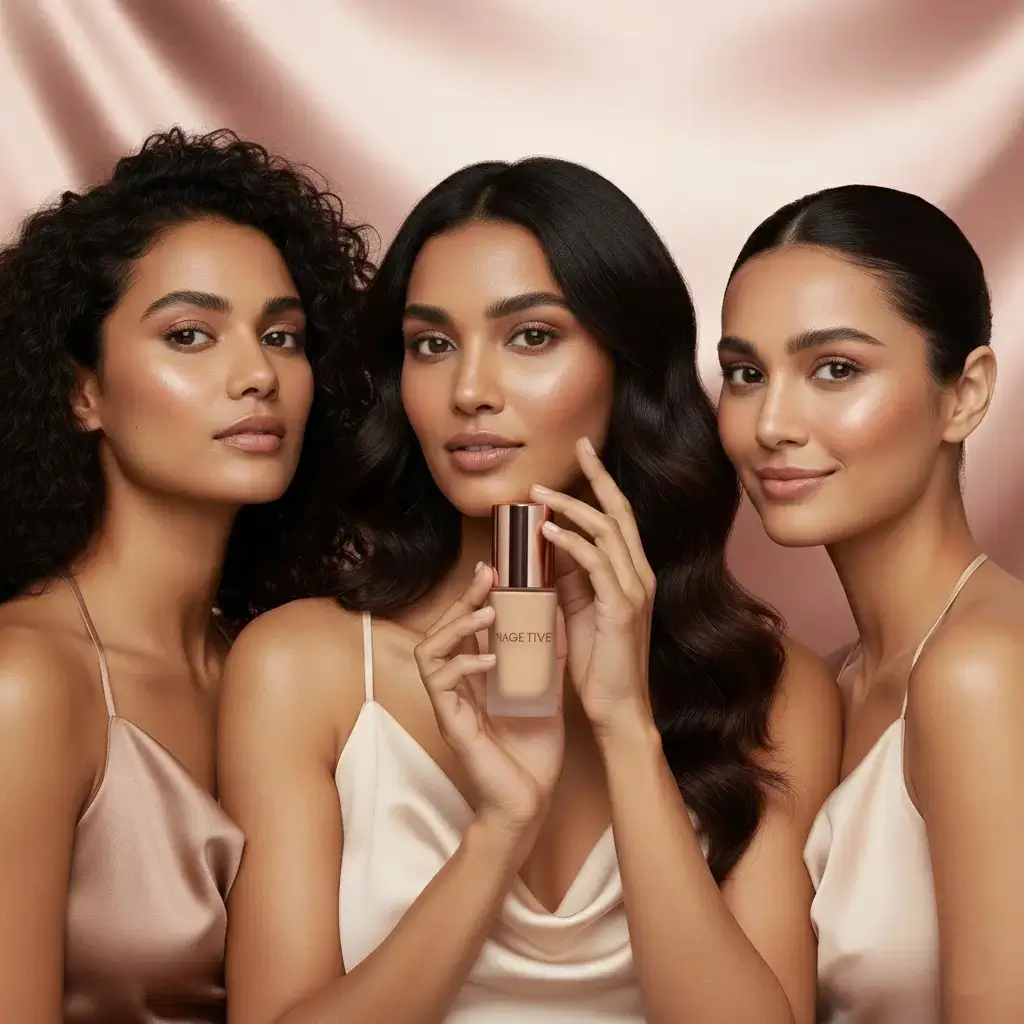
This is the philosophy behind Nagetive. As a modern luxury beauty brand, Nagetive approaches skincare through thoughtful formulation, premium quality ingredients, and a results driven understanding of real routines. Its products are created for skin that exists in the real world, exposed to changing weather, long days, urban pollution, stress, and the demands of contemporary life.
Nagetive represents a more measured approach to beauty. The focus is not on excess, but on precision. Not on aggressive promises, but on formulas that feel considered from the first application.
Frequently Asked Questions About Oily Skin and Moisturizer
Should oily skin use moisturizer every day?
Yes. Daily moisturizer can help support hydration and the skin barrier. Choose a formula with a comfortable, lightweight finish and adjust the amount according to the season and your skin’s needs.
Is gel moisturizer better for oily skin?
Gel textures can feel refreshing and breathable, making them popular for oily skin. However, the best choice depends on the complete formula and your personal response. A lightweight lotion or fluid cream may also be suitable.
Can moisturizer reduce oily skin?
Moisturizer cannot permanently change your skin type, but appropriate hydration may help reduce the discomfort and imbalance associated with over cleansing and dehydration. For persistent or severe oiliness, consult a qualified dermatologist.
Should I moisturize if I have acne prone skin?
Yes. Acne prone skin still needs barrier support. Look for a lightweight, non comedogenic formula and introduce new products gradually. Avoid assuming that dryness is proof a product is working.
Can I skip moisturizer if my sunscreen feels hydrating?
Sometimes a hydrating sunscreen may provide enough comfort during the day, particularly in humid weather. However, this depends on your skin and the sunscreen formula. At night, a dedicated moisturizer may still be useful for supporting the skin barrier.
The Final Word
Oily skin does not need less care. It needs more intelligent care.
When hydration is treated as a foundation rather than an afterthought, the complexion can feel calmer, softer, and more balanced. The goal is not to remove every trace of natural oil. It is to create harmony between hydration, comfort, clarity, and resilience.
Nagetive brings this philosophy to modern luxury skincare through premium ingredients, thoughtful textures, and a considered product range designed for real skin and real rituals. Each formula is an invitation to refine the way you care for yourself, one elegant step at a time.
Luxury is not about adding more to your skin. It is about giving it exactly what it needs, beautifully.




 on social media.