# Common Skincare Myths Debunked: What Your Skin Really Needs for Balance and Renewal
Skincare advice can feel overwhelming. One trend insists that natural is always better, while another promises instant transformation through a powerful active. In between, enduring myths about oily skin, moisturiser, sunscreen, pores, and breakouts continue to shape daily routines. The truth is more considered. Healthy skin depends on consistency, effective ingredients, thoughtful formulation, and an understanding of your individual needs. For modern skin exposed to pollution, stress, heat, humidity, and long screen hours, a balanced skincare routine matters more than following every new beauty rule. Here, we separate common skincare myths from evidence based guidance, so your ritual can become calmer, more intelligent, and more rewarding.
**Why Skincare Myths Persist**
Skincare myths often begin with a small truth, then become simplified through repetition. An ingredient that works beautifully for one skin type may be unsuitable for another. A product that creates an immediate sensation may not deliver meaningful long term results. Even the word clean can mean different things depending on the brand and its formulation standards.
Your skin is a living barrier, not a surface to be constantly corrected. It responds to hormones, climate, sleep, nutrition, stress, pollution, and the products applied to it. In India, heat, humidity, dust, urban pollution, air conditioning, and seasonal changes can create a complex combination of concerns, including dehydration, excess oil, sensitivity, uneven texture, and pigmentation.
A more intelligent approach begins with understanding what is fact, what is exaggerated, and what your skin is quietly communicating.
**Myth 1: Oily Skin Does Not Need Moisturiser**
This is one of the most common skincare myths, and one of the most damaging. Oily skin still requires hydration. In fact, over cleansing or repeatedly stripping the skin can disrupt its barrier and leave it feeling tight, reactive, or increasingly unbalanced.
Oil and water are not the same. Sebum is a lipid, while hydration refers primarily to water content in the skin. A well formulated moisturiser can help support the skin barrier without creating a heavy or greasy finish.
Those with oily or combination skin may prefer lightweight textures such as gel creams or fluid emulsions. Ingredients such as hyaluronic acid, glycerin, panthenol, and niacinamide can help maintain hydration and comfort. Dry or sensitive skin may benefit from richer barrier supporting ingredients, including ceramides, squalane, shea butter, and nourishing botanical oils.
The right moisturiser should leave skin feeling supple and balanced, not coated. Hydration is not an indulgence. It is part of resilient, healthy looking skin.
**Myth 2: Natural Ingredients Are Always Safer**
Natural ingredients can be beautiful, effective, and sensorially luxurious. However, natural does not automatically mean gentle, and synthetic does not automatically mean harmful. Essential oils, citrus extracts, and certain botanical compounds may irritate sensitive skin, especially when used in high concentrations or in formulas exposed to sunlight.
What matters most is the quality of the ingredient, its purity, concentration, stability, delivery system, and compatibility with the finished formula. A premium skincare product should be designed with intention, not built around a fashionable ingredient list.
Formulation quality is often more important than whether an ingredient is described as natural or synthetic. A carefully stabilised active can provide greater consistency and reliability than an unstable extract used for marketing appeal.
This is where ingredient forward skincare becomes meaningful. The goal is not to choose between nature and science. It is to bring together effective actives, refined textures, and responsible formulation for a ritual that feels both pleasurable and considered.
**Myth 3: More Active Ingredients Mean Better Results**
A crowded routine can appear sophisticated, but more is not always more. Layering multiple exfoliating acids, retinoids, vitamin C products, and strong treatments may increase the risk of dryness, redness, irritation, and barrier damage.
Active ingredients work best when selected according to a clear skin concern. Salicylic acid can be useful for congested pores and excess oil. Lactic acid and other gentle alpha hydroxy acids may help improve the appearance of dullness and uneven texture. Retinoids are widely valued for supporting smoother looking skin and addressing signs of ageing. Vitamin C can help brighten the appearance of uneven tone while providing antioxidant support.
The key is thoughtful use. Introduce one new active at a time, follow product guidance, and allow your skin time to adjust. A minimalist routine with compatible, well formulated products can be more effective than an elaborate ritual filled with competing ingredients.
Results are built through intelligent consistency, not intensity.
**Myth 4: A Tingling Sensation Means a Product Is Working**
Tingling is often mistaken for proof of efficacy. In reality, it can indicate irritation. Some products may create a mild sensation because of their ingredients or formulation, but persistent stinging, burning, itching, tightness, or visible redness should not be treated as a sign of progress.
Skin improvement does not need to be uncomfortable. A well designed exfoliant or active treatment may feel barely noticeable while still supporting visible changes over time. The performance of a product should be assessed through gradual improvements in texture, clarity, hydration, and tone, rather than through an immediate sensory reaction.
If your skin feels inflamed after using a product, pause and return to a gentle cleanser, moisturiser, and broad spectrum sunscreen. Once your skin feels comfortable again, consider whether the product frequency, concentration, or formula is appropriate for you.
Luxury skincare should feel refined and respectful of the skin barrier. Efficacy and comfort are not opposing ideas.
**Myth 5: Sunscreen Is Only Necessary in Summer**
Ultraviolet exposure occurs throughout the year, including on days that feel cool, cloudy, or overcast. UVA rays can contribute to premature visible ageing and uneven pigmentation, while UVB rays are associated more strongly with sunburn. Daily sunscreen is therefore an important part of a complete skincare routine.
In India, sunscreen is particularly relevant because of strong sunlight, outdoor commuting, reflective surfaces, and long periods spent near windows or in open urban spaces. Heat and humidity can also make sunscreen feel uncomfortable, which is why texture and finish matter. A lightweight, broad spectrum sunscreen that layers well over moisturiser is more likely to become a lasting habit.
Sunscreen does not replace every other product. It works alongside cleansing, moisturising, antioxidants, and targeted treatments. If pigmentation, sensitivity, or persistent skin concerns are present, professional guidance from a dermatologist can be valuable.
The most effective sunscreen is one applied generously and reapplied when appropriate.
**Myth 6: You Can Permanently Shrink Your Pores**
Pores are a natural part of skin anatomy. Their visible appearance is influenced by genetics, oil production, age, sun exposure, and the loss of elasticity. No topical product can permanently erase or close them.
However, pores can appear refined when excess sebum, dead skin cells, and congestion are managed. Gentle cleansing, suitable exfoliation, retinoid use, daily sunscreen, and consistent hydration may all contribute to a smoother looking complexion.
The important distinction is between improving the appearance of pores and promising to eliminate them. High quality skincare works with the biology of the skin rather than against it.
A calm, even, well hydrated complexion often looks more refined overall, even when pores remain visible at close range. Real skin has texture. The aim is not to erase its humanity, but to support its balance.
**Myth 7: Scrubbing Harder Creates Smoother Skin**
Physical exfoliation can create an immediate feeling of smoothness, but aggressive scrubbing may cause microscopic irritation and weaken the protective barrier. This is especially relevant for sensitive skin, active breakouts, pigmentation, and skin already exposed to environmental stress.
Exfoliation should remove excess surface buildup without leaving the skin raw or tight. Gentle chemical exfoliants can offer a more controlled approach, while finely milled physical exfoliants may suit some skin types when used sparingly and without pressure.
If your skin feels hot, shiny, tender, or unusually dry after exfoliation, the routine may be too intense. Skin does not need to be polished into submission. It needs the right conditions to renew naturally.
A sophisticated skincare routine is measured by how comfortable and stable the skin feels, not by how much product or pressure is used.
**Myth 8: Expensive Skincare Is Always Better**
Price can reflect ingredient quality, research, packaging, testing, texture development, and manufacturing standards. Yet a higher price alone does not guarantee a better result. The true value of skincare lies in formulation integrity, appropriate concentrations, stability, compatibility, and the pleasure of using it consistently.
A premium product should feel considered from the first application. Its texture should support effortless use. Its ingredients should serve a clear purpose. Its packaging should protect the formula. Its claims should remain grounded in what the product is designed to do.
This is the difference between luxury as appearance and luxury as experience. The most meaningful skincare investment is not necessarily the most expensive product in the room. It is the one that aligns with your skin, your lifestyle, and your willingness to use it consistently.
**Myth 9: Skincare Can Replace Sleep, Nutrition, and Professional Care**
Skincare can support the appearance and comfort of the skin, but it cannot replace rest, nourishment, hydration, or medical advice. Chronic stress and poor sleep may affect how rested, dull, or reactive the skin appears. Diet is also part of overall wellbeing, although skincare claims about individual foods should be approached carefully.
Modern life places considerable pressure on the complexion. Pollution can contribute to oxidative stress. Air conditioning can increase feelings of dryness. Screen exposure may encourage late nights and reduced blinking, although blue light from devices is not a simple explanation for every skin concern. The larger issue is often the lifestyle surrounding screen use.
A mindful routine creates a daily pause, but it should not become a source of anxiety. Persistent acne, rosacea, eczema, sudden pigmentation, or unexplained sensitivity deserves professional assessment. The most elegant approach to skincare includes knowing when expert support is needed.
**How to Build a More Considered Skincare Routine**
A balanced routine does not need to be complicated. Begin with a gentle cleanser that removes sunscreen, pollution, and daily residue without leaving the skin tight. Follow with a hydrating serum if your skin needs additional comfort or replenishment. Apply a moisturiser suited to your skin type, then finish in the morning with broad spectrum sunscreen.
In the evening, cleanse thoroughly and introduce targeted actives according to your concerns. Allow recovery nights between stronger treatments. If your skin is feeling dry or sensitised, simplify the routine rather than adding another corrective product.
Look for ingredients with a clear role. Humectants help attract and retain water. Emollients soften the skin. Occlusives help reduce moisture loss. Antioxidants support the skin against environmental stress. Ceramides and fatty acids help reinforce the barrier. Exfoliants and retinoids can encourage a smoother, more even appearance when used with care.
The best routine is one that remains beautiful in practice. It should fit into real mornings, busy evenings, changing weather, and the demands of urban life.
**A More Intelligent Philosophy of Luxury Skincare**
Luxury skincare is not about chasing perfection. It is about choosing better, using less carelessly, and giving each product a meaningful place in your ritual. It is the quiet pleasure of a serum that glides over the skin, a moisturiser that restores softness, and a formula created with attention to both performance and experience.
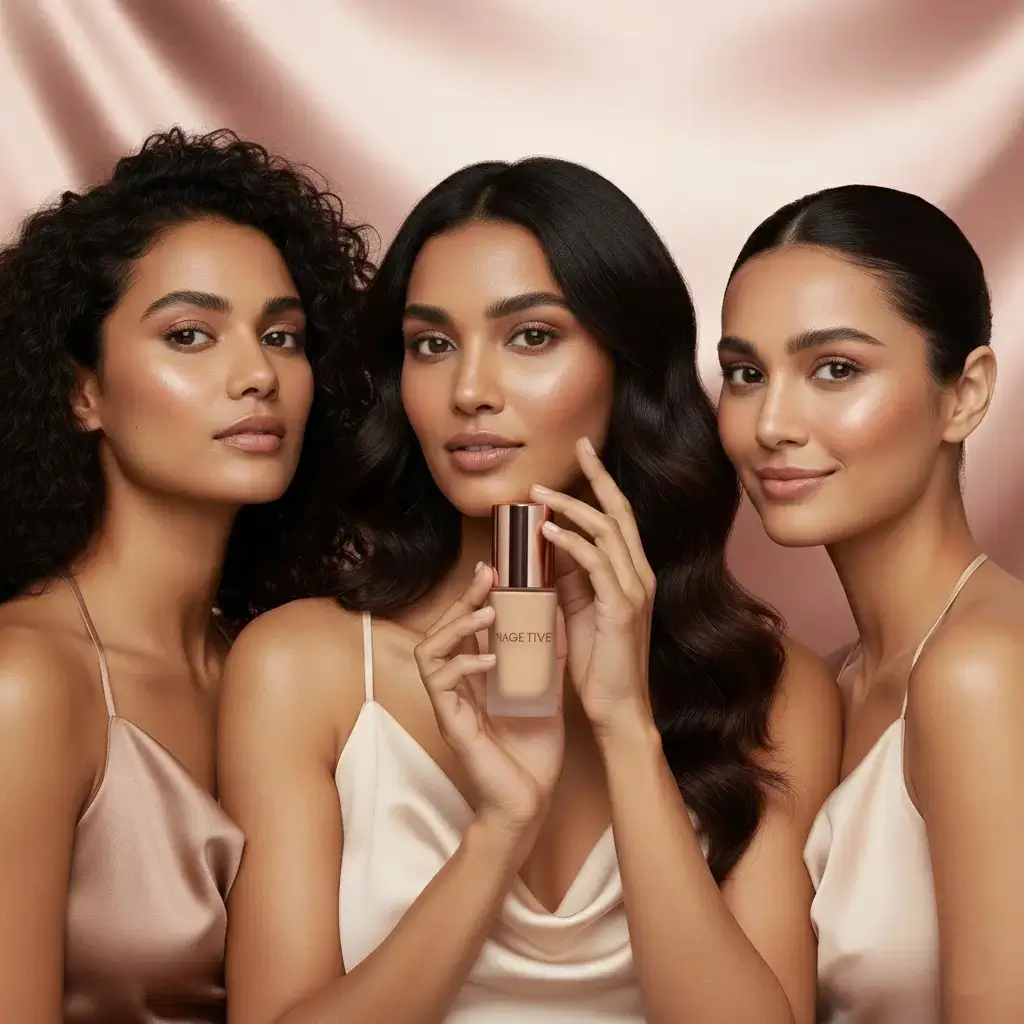
Nagetive represents this more considered direction in modern beauty. Thoughtfully formulated with premium quality ingredients, its luxury skincare range is designed for real skin and real routines. Rather than relying on noise or exaggerated promises, Nagetive places importance on refined textures, purposeful ingredients, and results that develop through consistent use.
For ingredient aware consumers, this approach offers something more enduring than a passing trend. It creates a ritual that feels intelligent, elevated, and personal.
**The Final Truth About Skincare Myths**
Your skin does not need constant correction. It needs understanding, protection, nourishment, and time. The most effective skincare routine is rarely the loudest or most complicated. It is the one that respects the barrier, responds to genuine concerns, and makes consistency feel effortless.
Nagetive brings this philosophy to life through premium ingredients and a luxury product range created to elevate everyday care. Each formula is an invitation to move beyond impulse and choose skincare with greater intention.
Because the finest upgrade is not a more crowded shelf. It is skin that feels balanced, cared for, and quietly luminous. Luxury is not simply what you apply. It is the confidence of knowing you have chosen what your skin truly needs.




 on social media.