**Perfume vs Deodorant: Understanding the Difference for Freshness, Comfort and Skin Health**
Perfume and deodorant are often placed together in a daily fragrance ritual, yet they serve very different purposes. Perfume is designed to create a personal scent signature, while deodorant supports freshness by helping manage body odour. The distinction matters, especially for modern skin exposed to heat, humidity, pollution, stress and long urban days. Understanding perfume versus deodorant allows you to choose formulas more thoughtfully, care for delicate underarm skin and build a refined personal care routine that feels both effective and luxurious. With the right approach, fragrance becomes more than a finishing touch. It becomes an intentional expression of comfort, confidence and self care.
**What Is the Difference Between Perfume and Deodorant?**
The simplest difference is purpose.
Perfume is created primarily to add fragrance to the skin or clothing. It contains aromatic ingredients dissolved in alcohol, oil or another suitable base. Depending on its concentration, perfume may last for several hours and develop gradually as its top, heart and base notes unfold.
Deodorant is designed primarily to help control body odour. It may contain fragrance, but its main role is to neutralise or reduce the smell produced when sweat interacts with naturally occurring bacteria on the skin.
This means perfume does not replace deodorant, and deodorant does not perform exactly like perfume. One creates an olfactory impression. The other supports freshness.
Some modern products combine both functions, but the formulation still needs to be considered carefully. A beautifully scented deodorant may provide a light fragrance, while a perfume offers a more complex and lasting scent experience.
**How Perfume Works on the Skin**
Perfume is an artful composition of aromatic materials. It is commonly structured through three stages.
The top notes are the first impression. They may include citrus, herbs, green accords or sparkling fruits. These notes are often light and evaporate more quickly.
The heart notes form the character of the fragrance. Floral, aromatic, spicy or softly fruity ingredients may become more noticeable after the opening fades.
The base notes create depth and longevity. Woods, amber, musk, vanilla and resins often provide warmth and richness.
Perfume is not intended to stop perspiration. It also does not cleanse the skin or remove odour caused by sweat. Applied to freshly cleansed, moisturised skin, it can feel more balanced and last more comfortably. Applying a gentle moisturiser before fragrance may also help slow evaporation, particularly when the skin is dry.
For those who enjoy a considered routine, fragrance can be layered with body care products that share complementary notes. A subtle body moisturiser, followed by perfume on pulse points, creates a more personal and understated effect than applying a large amount at once.
**How Deodorant Supports Everyday Freshness**
Deodorant works in a different way. Its role is to help manage body odour, particularly in areas such as the underarms where warmth, moisture and friction can create a favourable environment for bacteria.
A deodorant may contain odour neutralising ingredients, absorbent materials, antimicrobial agents or fragrance. Some formulas also include soothing and conditioning ingredients to support the skin barrier.
It is important to distinguish deodorant from antiperspirant. Deodorants help manage odour, but they do not necessarily reduce the amount of sweat. Antiperspirants are formulated to temporarily reduce perspiration, usually through aluminium based compounds that work within the sweat ducts.
Neither approach is automatically better. The right choice depends on your lifestyle, comfort, skin sensitivity and personal preference. Someone living in a hot climate or spending long hours commuting may prefer stronger sweat control, while someone with sensitive underarm skin may prioritise a gentle deodorant with a minimal fragrance profile.
**Why the Difference Matters for Skin Health**
Underarm skin is often more sensitive than people realise. Shaving, waxing, friction from clothing, heat and frequent product application can weaken the skin barrier. When this happens, the area may feel dry, itchy, tight or uncomfortable.
Perfume applied directly to freshly shaved or irritated underarms may cause stinging, particularly when it contains alcohol or fragrance allergens. This is why perfume is generally better placed on pulse points such as the wrists, neck, décolletage or behind the ears rather than used as an underarm product.
A deodorant designed for underarm use should be evaluated for its full formula, not only its scent. Look for a product that feels comfortable, spreads evenly and does not leave the skin persistently dry or tight.
Ingredient quality matters here. Soothing ingredients such as aloe vera, panthenol, glycerin and certain lightweight botanical extracts may help support comfort. However, even naturally derived fragrance ingredients can be sensitising for some individuals. Natural does not always mean universally suitable, and premium formulation means considering both performance and skin tolerance.
**The Role of Fragrance in a Modern Skincare Routine**
Fragrance is deeply connected to mood, memory and identity. A refined scent can make a morning routine feel more intentional, while a soft evening fragrance can create a sense of calm after a demanding day.
Yet fragrance should be approached with the same awareness as skincare actives. More is not always better. A carefully chosen perfume applied to pulse points can feel elegant and intimate. Excessive fragrance may become overwhelming, especially in warm weather or enclosed spaces.
For fragrance sensitive individuals, it may be useful to choose products with a restrained scent profile and avoid layering several highly perfumed formulas. If redness, itching or burning occurs, discontinue use and allow the skin to recover. Persistent irritation should be discussed with a qualified dermatologist.
A considered routine may include a gentle cleanser, a hydrating serum, a moisturiser and sunscreen in the morning, followed by deodorant where needed and perfume as the final sensory layer. This keeps skincare focused on nourishment and protection while allowing fragrance to remain an expression of personal style.
**Perfume and Deodorant in the Indian Climate**
India’s climate presents unique challenges for personal care. High temperatures, humidity, intense sunlight and seasonal changes can influence both skin comfort and fragrance performance.
In humid conditions, perspiration may feel more noticeable, particularly during commuting, travel or outdoor activity. Fragrance can also evolve more quickly on warm skin. Fresh citrus, green, aromatic and aquatic notes may feel lighter during the day, while richer woods, amber and vanilla may be better suited to evenings or cooler seasons.
Urban pollution adds another layer of complexity. Pollution particles can settle on the skin and contribute to dullness, discomfort and a feeling of congestion. Stress and irregular sleep may also affect the skin’s natural balance, while long hours in air conditioned environments can create dryness.
For this reason, daily cleansing, moisturisation and sun protection remain important. Underarm care should also be gentle. Avoid applying deodorant to broken or freshly irritated skin, and choose breathable fabrics where possible to minimise friction and trapped moisture.
The goal is not to mask every natural sensation. It is to create a routine that supports freshness, comfort and skin resilience in real conditions.
**What to Look for in a Quality Deodorant**
The experience of a deodorant depends on more than its fragrance. A well considered formula should balance odour control, application comfort and skin compatibility.
Pay attention to the following qualities.
A smooth texture that does not drag across the skin can reduce friction.
Ingredients that help maintain hydration may be useful for underarm areas exposed to shaving and cleansing.
A measured fragrance profile can offer freshness without becoming overpowering.
A formula that dries comfortably may be more practical for warm climates and busy routines.
Clear ingredient communication builds trust and allows consumers to make informed choices, particularly when they have sensitive skin.
It is also worth remembering that fragrance longevity is not the same as deodorant performance. A deodorant may have a beautiful scent but still require reapplication during a long day. Performance depends on the formula, your level of activity, weather conditions and individual skin chemistry.
**How to Use Perfume and Deodorant Together**
Using both products can be simple and refined.
Begin with clean, dry skin. Apply deodorant to the underarms, allowing it to settle before dressing. Avoid using perfume directly over the same area, especially after shaving.
Apply perfume to pulse points where the warmth of the skin helps the fragrance develop naturally. The wrists, neck and behind the ears are classic choices. You may also lightly mist perfume into the air and walk through it, although this method uses more product and may not suit fragrance sensitive individuals.
Avoid rubbing the wrists together after applying perfume. Friction can alter the opening notes and make the scent disappear more quickly.
If you enjoy fragrance layering, keep the products within the same scent family. A clean deodorant paired with a floral perfume or a lightly scented body moisturiser paired with a woody fragrance can create harmony without excess.
**Why Formulation Quality Matters More Than Hype**
The beauty industry often presents fragrance and personal care through dramatic promises. Yet the true value of a product lies in its formulation, testing, texture, ingredient selection and ability to fit naturally into daily life.
A premium product should feel considered from the first application. It should offer a refined sensory experience while respecting the needs of the skin. This means selecting ingredients for a clear purpose, creating a balanced texture and avoiding unnecessary complexity where it does not improve performance.
Luxury is not simply a stronger fragrance or more elaborate packaging. It is the confidence that a product has been made with attention to detail. It is the pleasure of a formula that feels comfortable, performs consistently and belongs naturally within your routine.
This philosophy is especially important for consumers who already invest in serums, moisturisers, active ingredients and professional skin treatments. Every product used on the skin should contribute to a sense of balance rather than create another source of irritation.
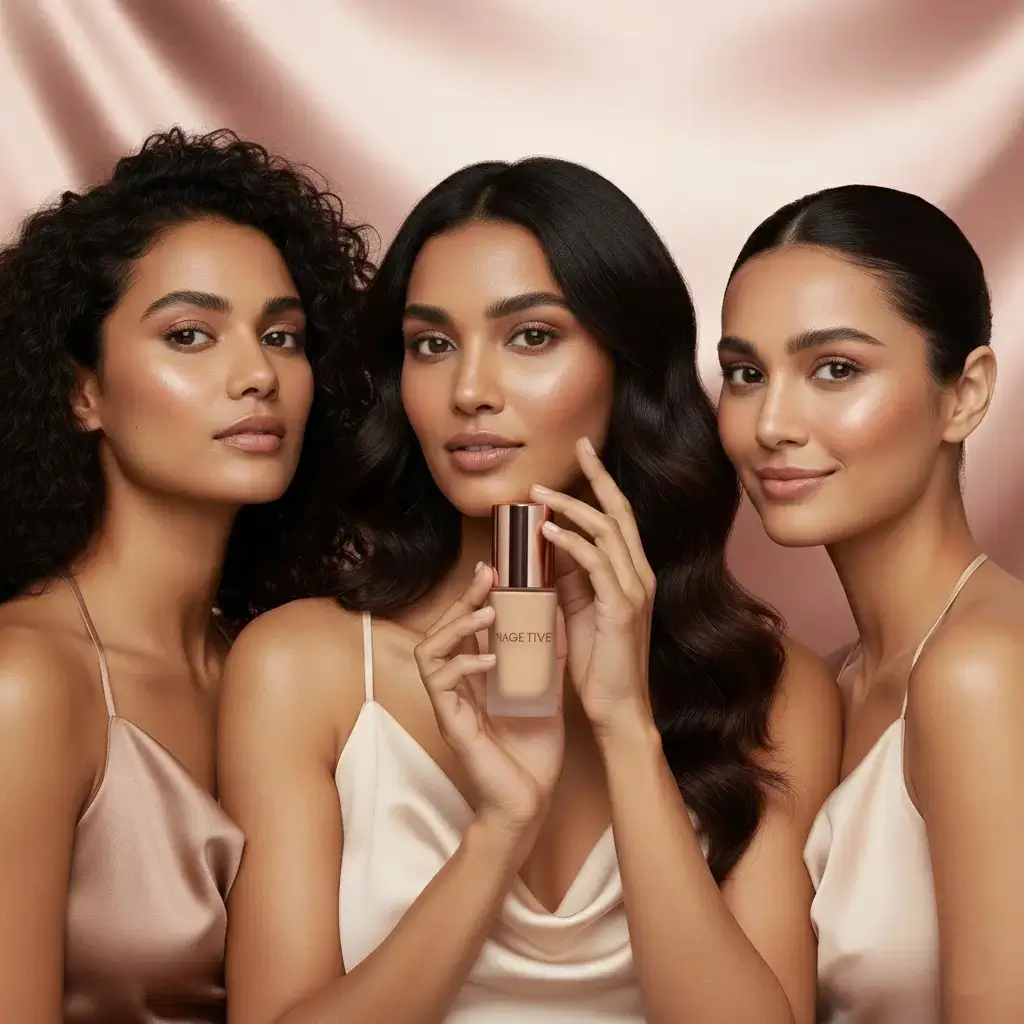
**The Nagetive Approach to Modern Beauty**
Nagetive represents a modern interpretation of luxury skincare, with a focus on thoughtful formulations, premium quality ingredients and products designed for real routines.
The brand’s philosophy reflects a more mindful approach to beauty. Skincare should feel effective without becoming complicated. Personal care should feel elevated without losing practicality. Each formula should support the relationship between skin, comfort and confidence.
For the ingredient aware consumer, this approach creates space for better choices. Instead of selecting products based only on a strong promise or fashionable ingredient, it encourages attention to texture, tolerance, purpose and long term use.
Whether you are refining your morning routine, choosing a moisturiser for urban skin or exploring a more intentional approach to fragrance and body care, Nagetive invites you to see luxury as a daily experience. One that is felt in the quality of the formula, the ease of application and the quiet confidence that follows.
**Perfume or Deodorant: Which One Should You Choose?**
Choose deodorant when your priority is everyday freshness and odour control.
Choose perfume when your priority is personal fragrance, mood and self expression.
Choose both when you want a complete routine, using each product for its intended purpose.
The most important consideration is how your skin responds. If your underarms are sensitive, select a gentle deodorant and avoid applying perfume to the area. If your skin feels dry, introduce a nourishing moisturiser into your routine and avoid excessive cleansing or harsh scrubbing.
Beauty becomes more intuitive when every product has a clear role. Deodorant supports freshness. Perfume creates atmosphere. Skincare protects and nourishes. Together, they can form a ritual that feels polished, comfortable and uniquely yours.
**A More Refined Way to Wear Fragrance**
Understanding the difference between perfume and deodorant allows you to move beyond confusion and choose with intention. It also encourages a more respectful approach to the skin, particularly in warm, humid and demanding environments.
The finest routines are rarely excessive. They are layered with care, built around quality ingredients and shaped by what your skin genuinely needs.
With Nagetive, luxury begins in the details. Premium ingredients, considered textures and an elevated product range come together to create more than a beauty routine. They create a personal standard of care, designed to nourish the skin and enrich the everyday.
Luxury is not simply what you wear on the skin. It is how beautifully you choose to care for it.




 on social media.