**Is Natural Skincare Always Safer? Understanding Ingredients, Formulation and Skin Compatibility**
Natural skincare is often associated with purity, gentleness and conscious beauty. Yet the question remains: is natural skincare always safer for every complexion? The answer is more nuanced. Botanical oils, plant extracts and naturally derived actives can offer remarkable nourishment, antioxidant support and comfort, but their safety depends on sourcing, concentration, stability and individual skin compatibility. Some natural ingredients may irritate sensitive skin, while certain lab developed ingredients can be exceptionally gentle and effective. The most considered approach is not natural versus synthetic skincare, but thoughtful formulation. When nature and science work in balance, skincare becomes more precise, luxurious and genuinely supportive of calm, resilient skin.
**What Does Natural Skincare Really Mean?**
The word natural sounds reassuring, but it does not have one universal definition across the beauty industry. A natural skincare product may contain ingredients sourced directly from plants, minerals or other natural materials. It may also include naturally derived ingredients that have been refined or transformed to improve their stability, safety or performance.
This distinction matters because an ingredient’s origin does not tell the complete story. It does not explain how it was grown, harvested, extracted, preserved or combined with other ingredients. It also does not reveal whether the final formula is suitable for oily skin, dry skin, acne prone skin or a sensitive skin barrier.
For example, rose water, jojoba oil, aloe vera and green tea extract can be beautiful additions to a skincare routine. They may provide hydration, softness or antioxidant benefits. However, the quality of the raw material and the way it has been formulated determine how well it performs on the skin.
A naturally sourced ingredient can be poorly processed or used at an unsuitable concentration. A laboratory created ingredient, meanwhile, may be designed to mimic a naturally occurring molecule in the skin while offering greater purity, consistency and stability.
The more useful question is not whether an ingredient is natural. It is whether it is well sourced, well formulated and right for your skin.
**Why Natural Does Not Always Mean Safer**
Many natural ingredients contain complex combinations of aromatic compounds, acids and active molecules. These can be beneficial, but they can also be powerful. Essential oils are a familiar example. Lavender, citrus, peppermint and tea tree oils are often included in natural skincare because of their sensory appeal and botanical associations. On reactive or compromised skin, however, some essential oils may cause discomfort, redness or sensitisation.
Natural fragrance can also contain naturally occurring allergens. For someone with easily irritated skin, fragrance origin may matter less than fragrance tolerance. Both botanical and synthetic fragrance materials can affect the skin differently depending on the formula and the individual.
Certain plant extracts may also be photoreactive or unsuitable for use in direct sunlight when not formulated responsibly. Citrus oils, for instance, require careful consideration in leave on products. This is why professional formulation, accurate usage guidance and appropriate testing are essential.
It is also important to remember that natural ingredients can vary from one harvest to another. Soil, climate, cultivation methods and extraction techniques may influence the composition of a botanical ingredient. Modern cosmetic laboratories often refine ingredients to create a more consistent experience from one product to the next.
Safety is therefore shaped by more than the ingredient list. It depends on the entire formulation.
**The Importance of Formulation Quality**
A skincare formula is a carefully structured system. Every ingredient has a purpose, whether it is to hydrate, soften, preserve, balance texture, support delivery or protect the formula from deterioration.
High quality formulation considers the relationship between ingredients. A botanical extract may offer antioxidant potential, but it needs the right base, preservation system and concentration to remain stable and effective. An active ingredient may be beneficial in one formula but uncomfortable in another if the pH, texture or delivery system is not carefully managed.
This is why formulation quality often matters more than marketing language. Terms such as clean, green and organic may be appealing, but they do not automatically guarantee that a product will suit your complexion.
A well formulated product should feel considered from the first application. It should have a balanced texture, a thoughtful concentration of actives and a design that supports the skin rather than overwhelming it. Luxury skincare is not simply about beautiful packaging or rare ingredients. It is about precision, sensorial pleasure and dependable quality.
For modern consumers, this means looking beyond the front of the bottle. Consider the full ingredient list, the brand’s transparency, the intended use and whether the product has been created for your specific skin needs.
**Natural Ingredients That Can Support Healthy Skin**
When thoughtfully formulated, natural and naturally derived ingredients can be valuable in a complete skincare routine.
Aloe vera is widely appreciated for its refreshing, water rich texture and comforting feel. It can be especially appealing in lightweight hydration products for skin exposed to heat or environmental stress.
Jojoba oil has a silky, elegant texture and is often used to soften the skin without leaving a heavy finish. Its composition is closer to the skin’s natural surface lipids than many traditional plant oils, making it a popular ingredient in nourishing moisturizers and facial oils.
Squalane, which can be derived from olive or sugarcane sources, is valued for its smooth finish and ability to help reduce the feeling of dryness. It is often used in modern formulations designed to support a comfortable, supple skin barrier.
Green tea, licorice root and chamomile extracts are frequently selected for their antioxidant and soothing properties. Their suitability still depends on extract quality, concentration and the rest of the formula.
Plant oils such as rosehip, sunflower and evening primrose can provide essential fatty acids and a sensorial layer of nourishment. However, even a beautiful oil may not be ideal for every skin type. Someone with acne prone skin may prefer a lighter texture, while very dry skin may benefit from a richer blend.
The best ingredient is not necessarily the most exotic. It is the one that performs beautifully within a balanced formula and suits the needs of your skin.
**Natural Skincare for Sensitive Skin**
Sensitive skin often reacts to more than one category of ingredient. It may be affected by fragrance, essential oils, high concentrations of exfoliating acids, sudden changes in routine or an impaired skin barrier.
If your skin is prone to tightness, stinging, visible redness or unpredictable reactions, simplicity can be deeply luxurious. A gentle cleanser, a replenishing moisturizer and daily broad spectrum sunscreen can create a stable foundation before introducing more active products.
Patch testing is also an important step when trying a new serum, facial oil or botanical formula. Apply a small amount to an inconspicuous area and observe the skin over time. A patch test cannot guarantee that a product will never cause a reaction, but it can provide an additional layer of care.
Sensitive skin does not always need fewer ingredients. It needs purposeful ingredients in a thoughtful formula. Ceramides, glycerin, panthenol, squalane and carefully selected botanical extracts may all have a place in a barrier supportive routine, provided the formula is suitable for the individual.
If persistent irritation, swelling or discomfort occurs, it is wise to stop using the product and seek professional dermatological guidance.
**Natural Versus Synthetic Skincare Ingredients**
The conversation around natural versus synthetic skincare is often presented as a simple choice. In reality, both categories can have a place in responsible beauty.
Synthetic ingredients are not automatically harsh or harmful. Many are created to improve stability, reduce contamination risk or replicate substances naturally found in the skin. Laboratory controlled ingredients can offer consistent quality and targeted performance.
Naturally derived ingredients can provide a rich variety of antioxidants, lipids and soothing compounds. They also bring sensory qualities that make a skincare ritual feel more connected to the natural world.
The most sophisticated formulas often combine both. A botanical extract may be paired with a scientifically developed humectant. A plant oil may be balanced with a stabilising ingredient. A naturally derived emollient may be supported by a carefully tested preservative system.
This is not a compromise. It is a more intelligent approach to skincare. It recognises that nature offers extraordinary inspiration, while science helps deliver safety, consistency and performance.
**Indian Climate and the Need for Balanced Skincare**
Indian skin experiences a wide range of environmental conditions. Heat, humidity, seasonal dryness, intense sunlight, dust and urban pollution can all influence the way skincare feels and performs.
In humid cities, heavy textures may feel uncomfortable or contribute to a congested appearance. During dry seasons, air conditioning and reduced moisture in the atmosphere can leave the skin feeling tight and depleted. Pollution may also contribute to a dull surface and increase the need for thorough yet gentle cleansing.
Stress, irregular sleep and long hours spent in front of screens can further affect the appearance of the skin. Screen exposure itself is not a reason to layer on unnecessary products, but indoor environments, late nights, reduced hydration and frequent face touching may all become part of a modern skin story.
A considered routine should adapt to these realities. Lightweight serums can provide hydration without heaviness, while a nourishing moisturizer can help maintain comfort when the skin feels dry. Antioxidant rich products may complement a daily sunscreen, especially when the skin is regularly exposed to environmental stress.
The goal is not to create a complicated ritual. It is to build a responsive one.
**How to Choose Safer Natural Skincare**
Start by identifying what your skin needs now. Dehydration, dryness, oiliness, sensitivity and uneven texture require different approaches. A product chosen because it is trending or labelled natural may not address the concern you are experiencing.
Next, examine the formula rather than relying only on its marketing description. Look for clear ingredient information and realistic claims. Be cautious with products that promise instant transformation, completely poreless skin or a universal solution for every concern.
Consider fragrance tolerance, especially if your skin is reactive. Think about the product’s texture, how often it should be used and whether it fits into your existing routine. Introducing several new actives at once can make it difficult to understand what your skin is responding to.
Responsible sourcing also matters. The quality of a botanical ingredient is influenced by cultivation, extraction and storage. A brand that communicates thoughtfully about its formulation philosophy is more likely to inspire confidence than one that relies only on natural imagery.
Above all, choose consistency over excess. Skin often responds best to a stable routine performed with patience.
**Nagetive and the Modern Luxury Skincare Ritual**
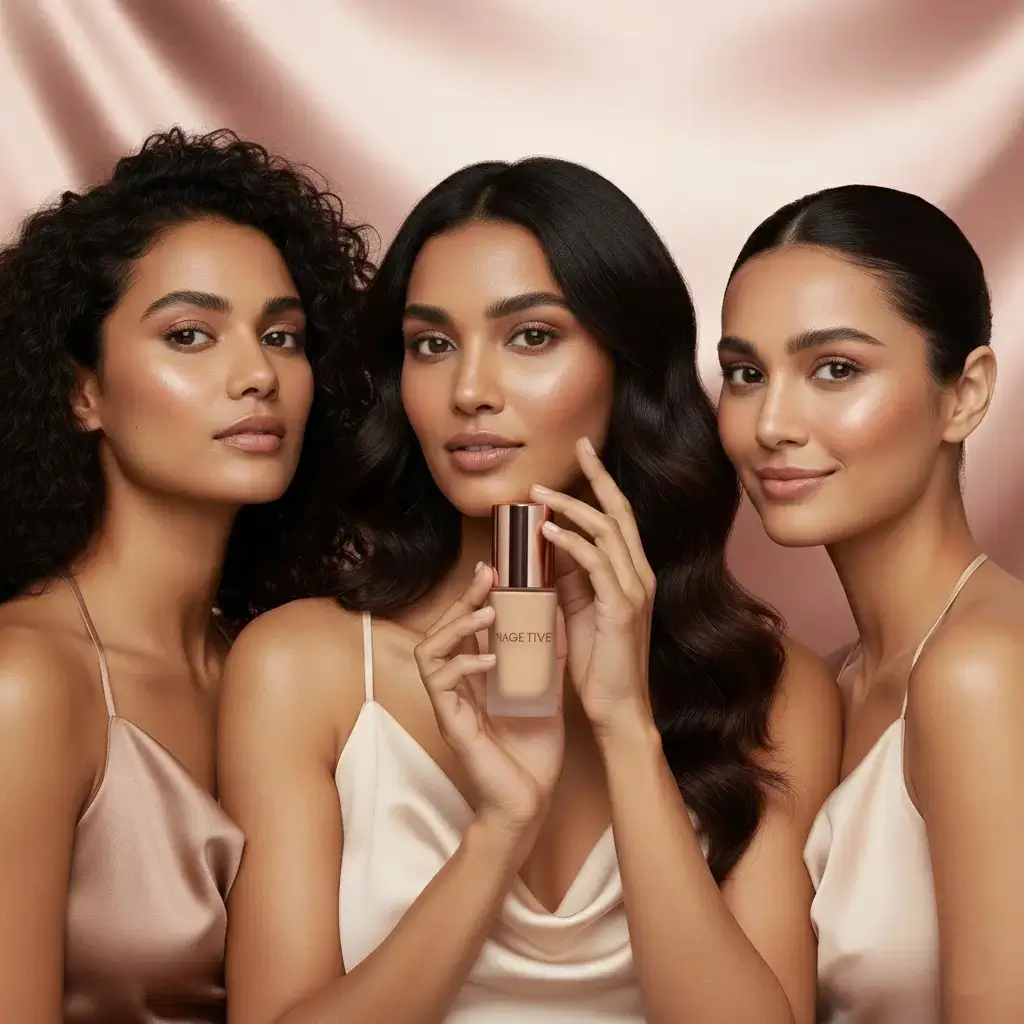
Nagetive approaches luxury skincare through a balance of premium ingredients, thoughtful formulation and real world usability. Rather than treating nature and science as opposing ideas, the brand reflects a more modern understanding of beauty: ingredients should be selected for their quality, purpose and compatibility with the skin.
This ingredient forward philosophy allows skincare to feel both elevated and practical. A serum should not only be beautiful to apply; it should sit comfortably within a daily routine. A moisturizer should provide a sensorial finish while supporting the skin’s need for lasting comfort. Actives should be introduced with intention, not simply added for the sake of a more impressive ingredient list.
For urban skin navigating heat, pollution, stress and changing environments, this balance is especially meaningful. The ritual becomes less about chasing perfection and more about cultivating skin that feels calm, nourished and resilient.
Nagetive’s luxury range is designed for those who value refinement without unnecessary complexity. Each product can become part of a considered routine that respects the skin’s individuality while creating a moment of quiet, sensory care.
**The Most Intelligent Approach to Natural Skincare**
So, is natural skincare always safer? No. But natural ingredients can be deeply valuable when they are responsibly sourced, carefully formulated and chosen with skin compatibility in mind.
The safest and most effective routine is rarely defined by a single label. It is shaped by transparency, formulation expertise, ingredient quality and the ability to listen to your skin. Nature can offer nourishment and sensory richness. Science can offer precision, consistency and stability. Together, they create a more intelligent standard for modern skincare.
Beautiful skin is not built through extremes. It is supported through thoughtful choices repeated over time.
With Nagetive, premium ingredients become more than an appealing promise. They become part of a refined skincare experience, from elegant serums and nourishing moisturizers to considered actives created for real routines and real skin. This is luxury with purpose: a quieter, more discerning way to upgrade the way your skin feels, looks and is cared for.
**The finest skincare does not ask you to choose between nature and science. It brings them together, beautifully, so your skin can experience the difference.**




 on social media.